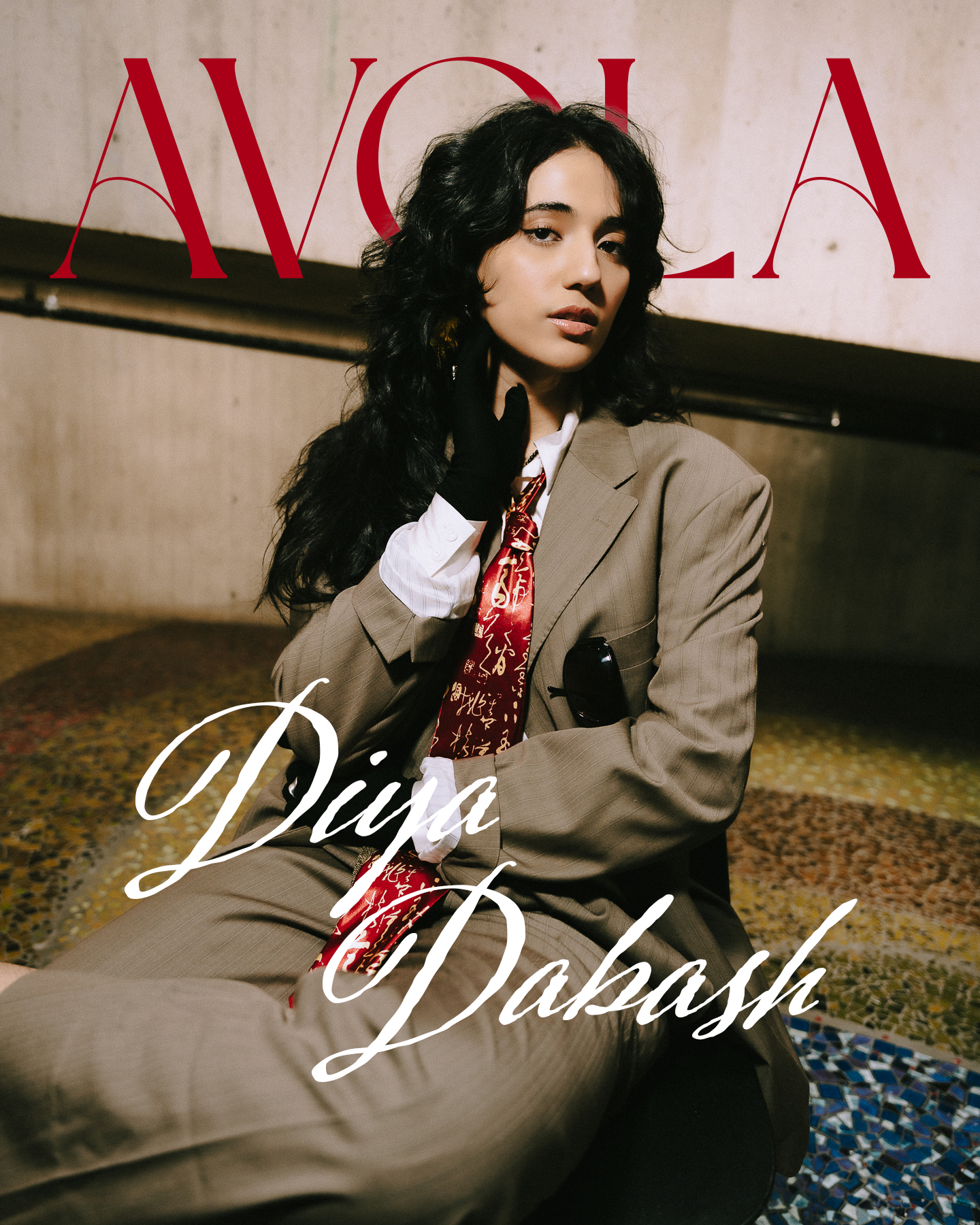
Spanish-Equatoguinean artist Böitaari approaches music as a conversation between cultures, memories and identities on La Autognosis de Reine Grevyi, Vol. 1, a four-track EP released November 6 through her independent label, Bilëbbó Fusión. Moving between Ghetto Zouk, Kizomba, Flamenco, Congolese Rumba, Moroccan Gnawa and Cameroonian Mbolé, the project is ambitious in its musical reach, but its most interesting achievement is how naturally those influences become part of a deeply personal exploration.
Rather than arriving with a predetermined concept, the four compositions gradually revealed a shared emotional thread. That discovery gives the EP its title, drawn from the idea of autognosis, or self-knowledge. The opening track, “Bruma,” establishes an atmosphere of uncertainty through cinematic Ghetto Zouk, arabesque arrangements and multilingual vocals in English, Portuguese and Spanish. Its treatment of an undefined relationship feels deliberately unresolved, allowing the production to carry much of the emotional tension.
“Caoba” is arguably the project’s most intimate moment. Kizomba rhythms meet Spanish guitar, Flamenco vocal inflections, handclaps and manipulated textures, creating an arrangement that feels both rooted and unsettled. Its fragmented outro is particularly effective, suggesting how difficult it can be to retrieve memories without altering them. “Legendaria” takes a different direction, drawing from the orchestral warmth of Congolese Rumba while examining the uncomfortable relationship between artistic recognition and death. Beneath its celebratory musical character sits a considerably darker observation about the people society chooses to appreciate too late.
The instrumental closer, “Élan,” brings Moroccan Gnawa and Cameroonian Mbolé into dialogue, with RHODOKROSA contributing co-production and arrangements. Guembri, qraqeb, percussion, synthesizers and electric guitar build towards a rhythmic release that makes words feel unnecessary.
Beyond the music, Böitaari introduces Reine Grevyi, her visual art identity, through four original surrealist paintings and animated visualizers. The distinction between the two names is not a marketing exercise but an extension of the same creative consciousness, translating musical emotions into visual form.
There are moments where the sheer number of influences threatens to compete for attention, but the EP’s emotional continuity keeps it grounded. La Autognosis de Reine Grevyi, Vol. 1 matters because it treats cultural identity as something lived, layered and continually discovered, rather than a collection of sounds to borrow. Böitaari is not simply crossing musical borders; she is finding new ways to understand herself through them.
Featured Image: Artist Supplied