Canada’s dream angel cowboy didn’t start out singing country music. In the 2000’s and early 2010’s, they were singing jazz soul music and struggling to accept that they weren’t like the young men around them.
Born in Vermillion Alta., a young Robert Adam moved to Bonnyville with their family where the country genre dominated popular music and being openly gay was taboo. “Growing up in northern Alberta, it already was hard to admit that I wasn’t attracted to women,” they said. “No one’s going to want to hear a gay person sing country music.”
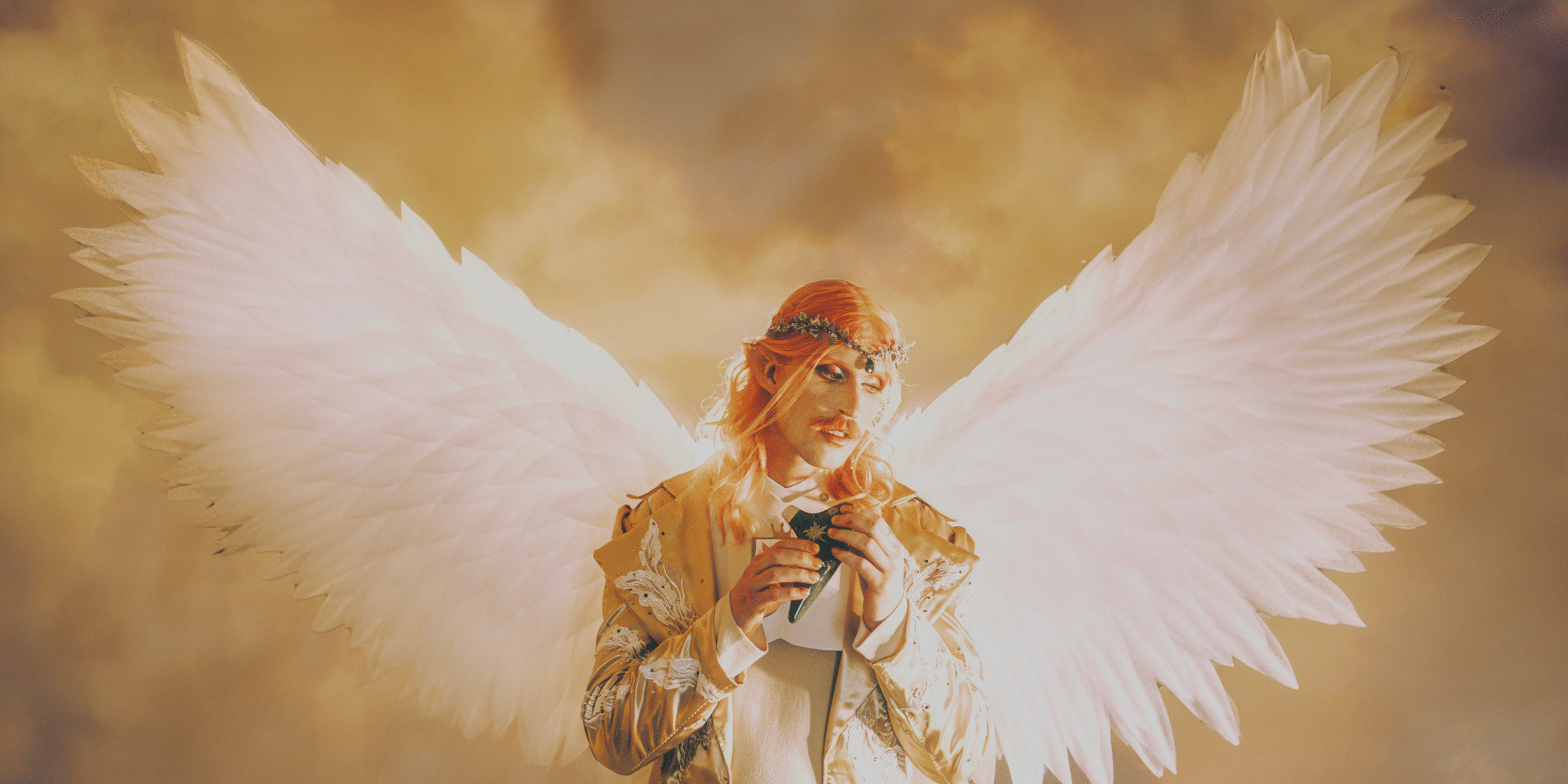
In the song “Friends in High Places (Interlude)” off their October 2025 release, Governed by the Seasons, Adam explores the isolation they felt growing up gay in northern Alberta.
“There were so many things in my life that did not make sense,” they said. “There were no clear answers because there were no people like me around.” While their relationship with their parents ran cold, Adam found clarity and acceptance through the northern night sky. “I spent a lot of time just looking out my window at those stars.”
Through spoken word in the interlude, Adam says: “I can’t help but feel that the stars were placed there to keep my head up rather than down, and when I get lost looking up there, I feel seen by someone or something that’s been waiting here for me since last time.”
Adam described how the culture of small towns can keep people from chasing their dreams, especially those who don’t fit the mould. “They’ll never be more than what that town told them they would be,” they said. “It can feel very isolating; you can feel very trapped. The stars made me feel that I’d find some people out there; people who would think that my dream wasn’t too big.”
In 2013 when American country singer Kacey Musgraves released her song “Follow Your Arrow,” which affected Adam in a deeply profound way—prompting a major life decision. “That song changed my life, because it was the first time on country radio there was someone singing about all kinds of progressive content,” they said. “I think that did something to me subconsciously.”
Feeling alienated in small town Alberta and going through the growing pains of their queer identity puberty, Adam decided to move across the country to Toronto.
To this day, they remember the feeling of leaving Alberta well.
“Country music doesn’t love me; Alberta doesn’t love me.”
After their move, Adam steadily learned how to accept the part of themselves that always felt like a flaw in their hometown. “I was educated on how to be a queer person by some amazing people in Toronto,” they said. “I had no idea about so many things, even education about different minority groups—even outside the queer umbrella, there’s so many things I didn’t understand.”
Though the queer village in Toronto helped to raise Adam to be who they are today, all was not well in the big city. “I was really homesick,” Adam said. “Things were not really going well for my career.” And to cope with missing home, Adam found comfort in pivoting from jazz-soul to country music, incorporating the sounds they grew up with.
“I think it’s funny,” they said. “A lot of critics would say that I chose country music as an angle, where I’m trying to make a spectacle out of something because of how I dress, and how I appear. Contrary to popular belief, country music really chose me—I fought it for so long.”
As they were discovering their true self in Toronto, reconciling the two seemingly opposed halves of their identity, something significant still troubled them, something that would have to be faced eventually.
“I was in a complicated place with my parents and family too,” they said. “Our relationship was on the rocks.”


On November 25, Adam returned to Calgary empty handed from a hunting trip with their dad up north. “I think maybe I wear too many skincare products; I’m thinking that the deer could smell it for sure,” Adam said. “Maybe they’re a bit homophobic. But honestly, whenever I hunt, I don’t have to get anything.”
It took a long time for their father to accept them as they are, but now the relationship they share is stronger than ever, said Adam. “In my early life and early adult life we really didn’t get along that well, and we’ve both grown so much as people that it’s just really cool to spend time together and vibe out,” they said.
The beginning of this acceptance process began in Toronto. Living so far from home—struggling with homesickness, money and a music career that refused to take flight—Adam’s parents’ concern only grew.
“’You’re looking very skinny,’” they remember their parents saying. “’Are, you eating enough?’”
After accepting that life just wasn’t working in Toronto and moving back to Alberta, Adam’s sister suffered a personal loss—that tragedy ended up being the catalyst for the love and acceptance they carry with them today.
“Through that, I feel like we all grew closer together,” they said. “Even through the stages of my gender expression—embracing a non-binary approach to how I express my gender—my parents have gone through such a journey. We grew up in fundamentalist Christianity, but I think they focus on just loving and accepting people for what they are, and it’s rare in that community for parents to do that.”
Though they no longer describe themselves as religious, Adam wove a thread of Christianity throughout the album. The song “Oh Jesus” came about when Adam began to question things they were told, religious dogma they said they weren’t meant to question. “You just believe it, and that’s what you do,” they said.
The song takes aim at Christianity as it is taught and practiced today and the many ways Adam said it contradicts the words of the bible. “Well, I’m pretty sure you didn’t have blue eyes; and I know for sure you didn’t have blonde hair,” Adam sings in the ballad, taking aim at popular depictions of Jesus as a blonde-haired Caucasian in one example. “The biggest contradiction to me was seeing a huge disconnect in the root word of Christianity: Christ,” said Adam. “That’s your Messiah, but people don’t really listen to what he says.”
Though the song was not intended to be a criticism of all religion, said Adam, they are very aware of how it could be received in a controversial manner, especially coming from someone with their public image and identity.
“Most of writing that song was just reflecting on my own personal journey and my own narrative,” they said. I just knew that a lot of people would also feel seen and heard in that song. Yes, it is controversial, but sadly, that kind of just hits the nail on the head of the idea that my existence is controversial.”
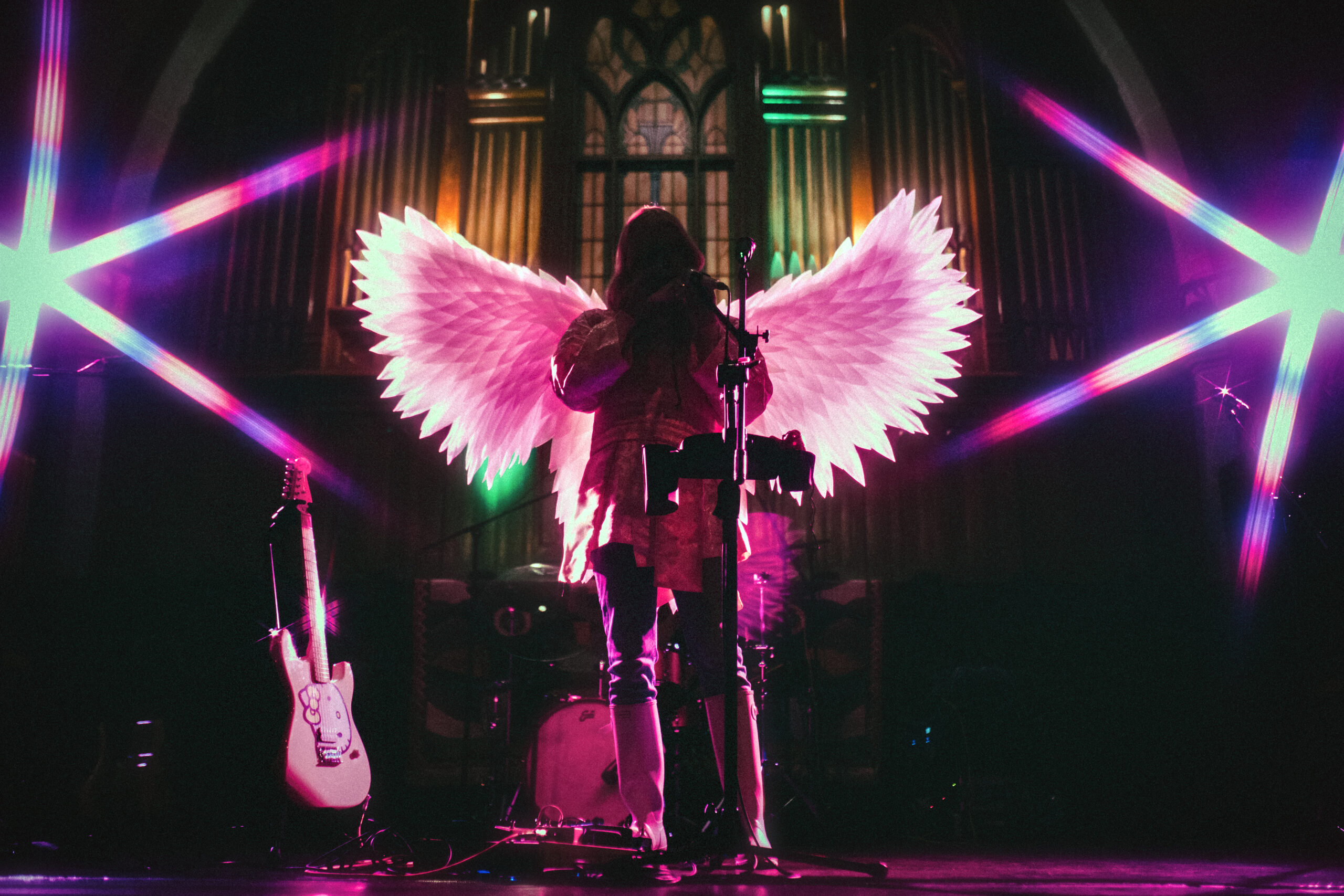
Robert Adam’s journey of self-discovery in their music and identity culminated in the 2025 YYC Music Awards in September, where they won songwriter of the year for their 2024 song “Bailing Twine”—Adam received one of the warmest welcomes of the night from the crowd.
“I felt really seen in that moment by the Calgary music scene,” they said. “The other songwriters in that category were just incredible as well—I was amongst some real power hitters.”
The crowd fell in love with Adam’s unique blend of masculinity and femininity that comes across not only in their lyricism, but also their vocals. “Naturally, I use my voice in ways that appeal to people’s softer and gentle sides, even though I have a very traditionally masculine range which I’ve grown to really love,” they said.
“Because as much as I love femme stuff, I can’t deny that there’s still a masculinity about myself—I like respecting both of those because I think they both help me in life. I really do pride myself on my vocals, but I was always a songwriter first.”
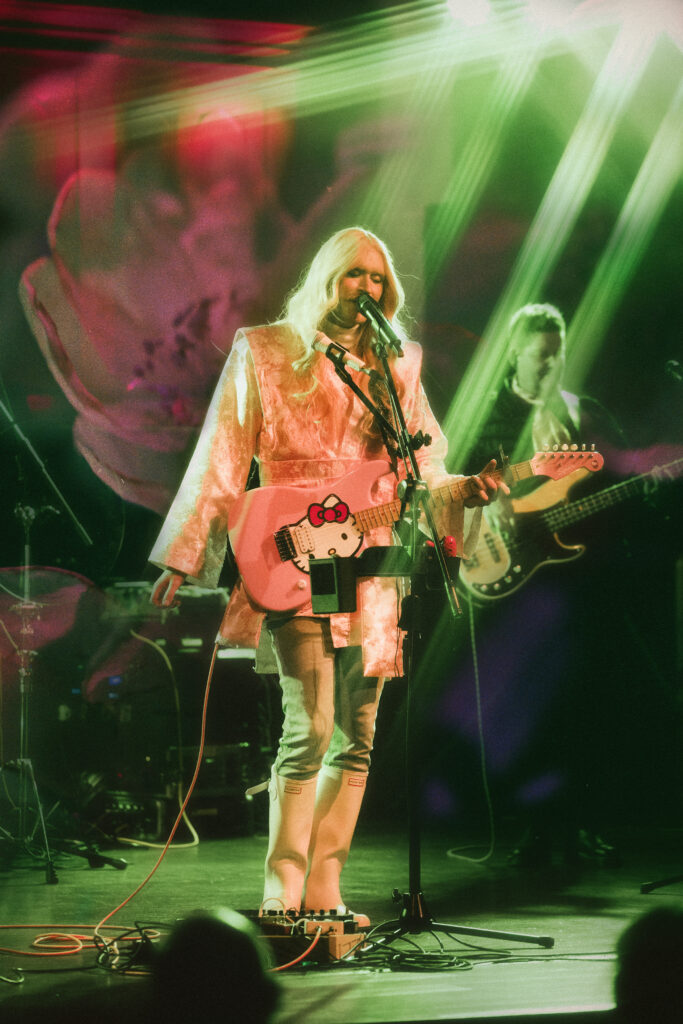
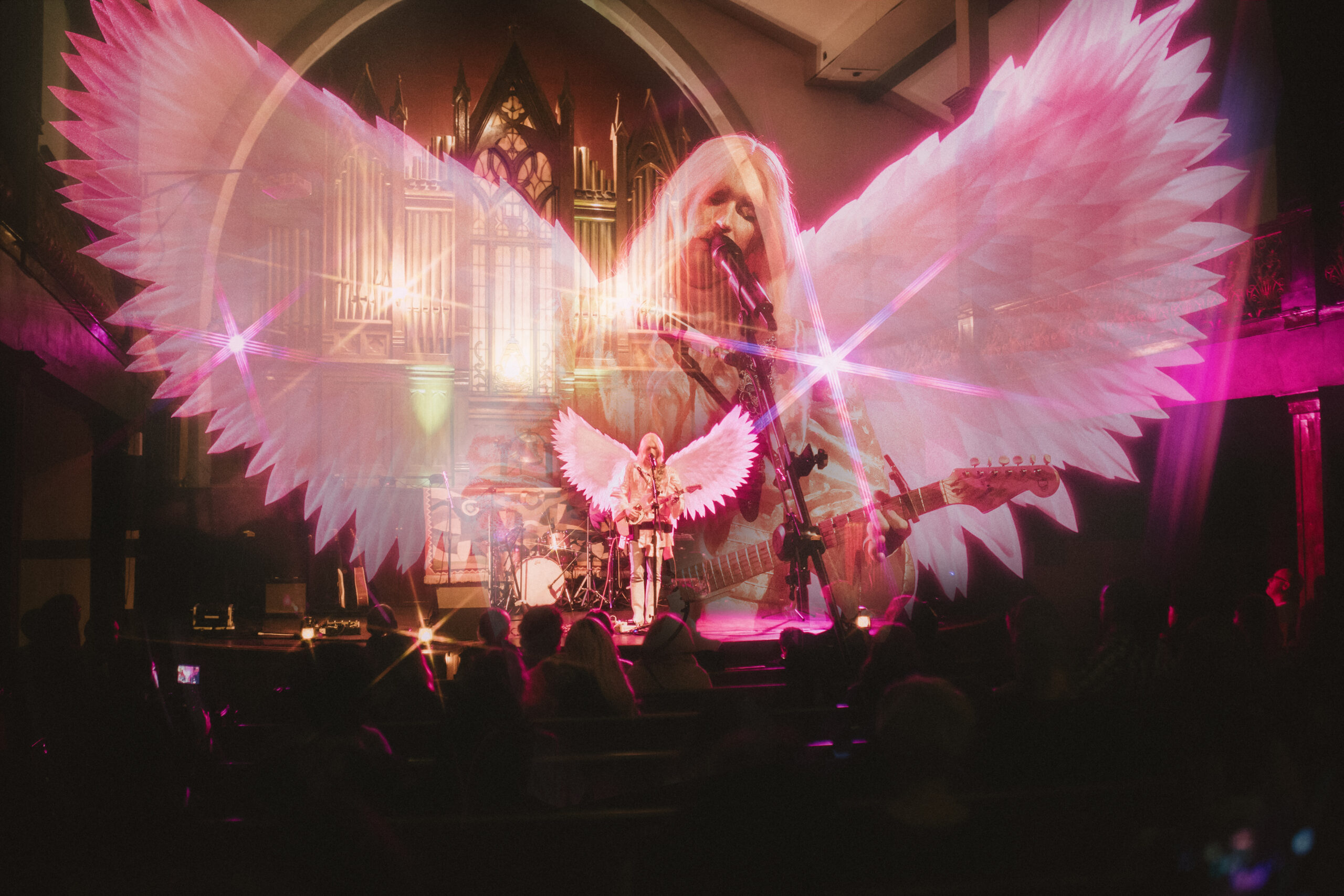
Featured Image: Jarrett Edmund