Rigid above, weightless below. That split ran through Francesco Murano’s Spring 2027 collection. One white look paired a funnel neck and a cape folded over the shoulders like a shell with a sheer column that fell straight to the floor. You could read the whole show through that one silhouette.
The collection is called Éidola, and its starting point is a century old. Fritz Lang’s Metropolis premiered in 1927 and imagined a city in 2026, so Murano is designing for the year Lang pictured. The film’s two Marias gave him his central tension: one is saintly and human, the other is a mechanical copy built to seduce. Murano didn’t treat them as a before-and-after. He let both live in the same garments.
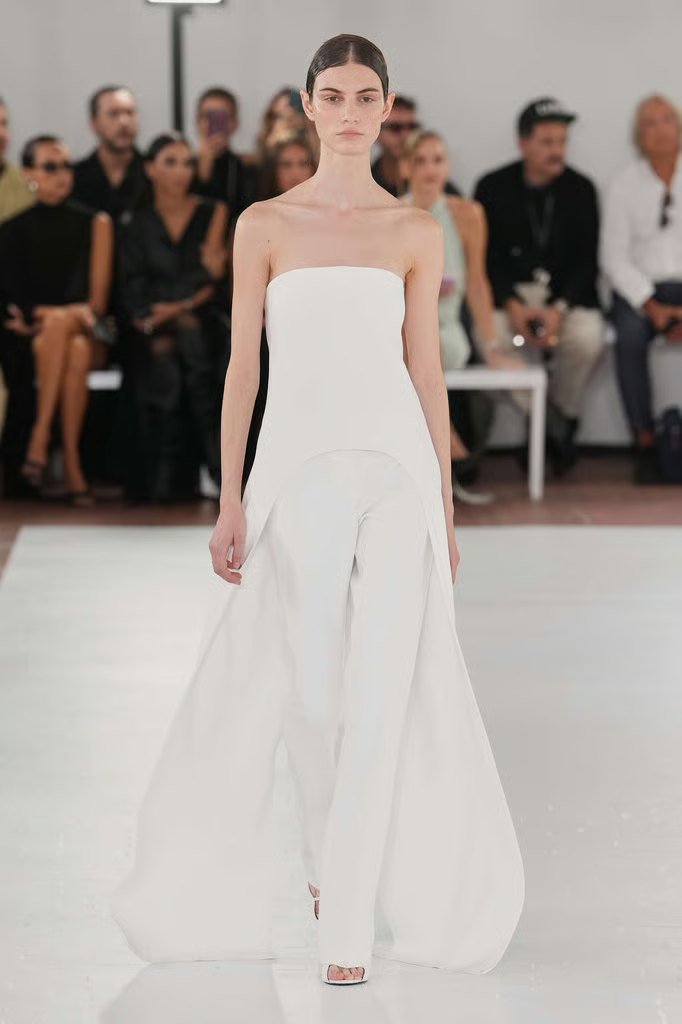
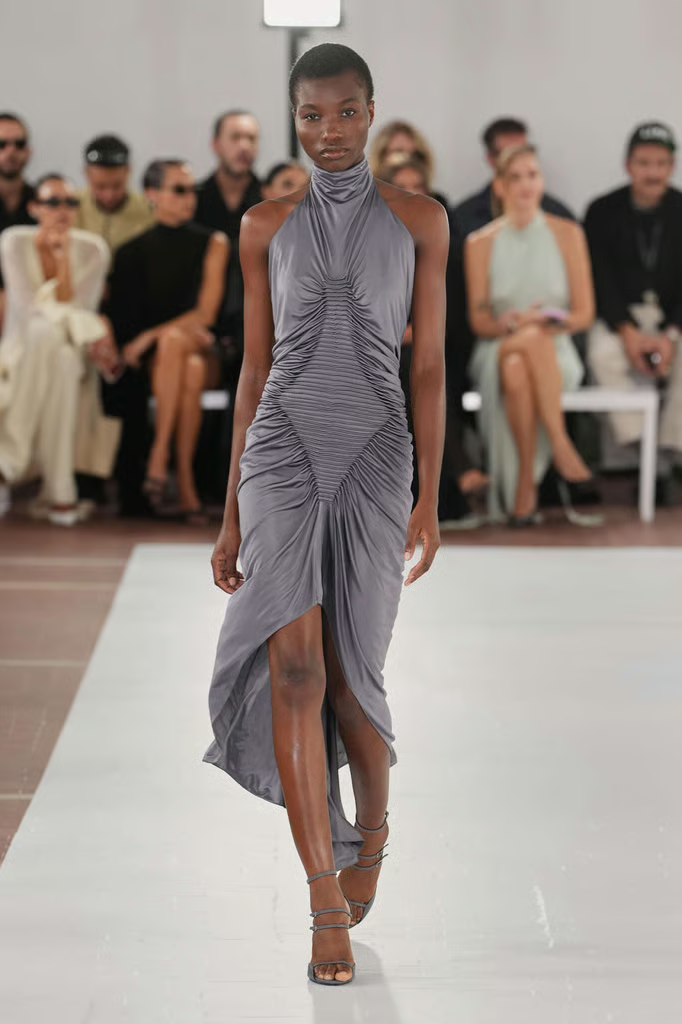
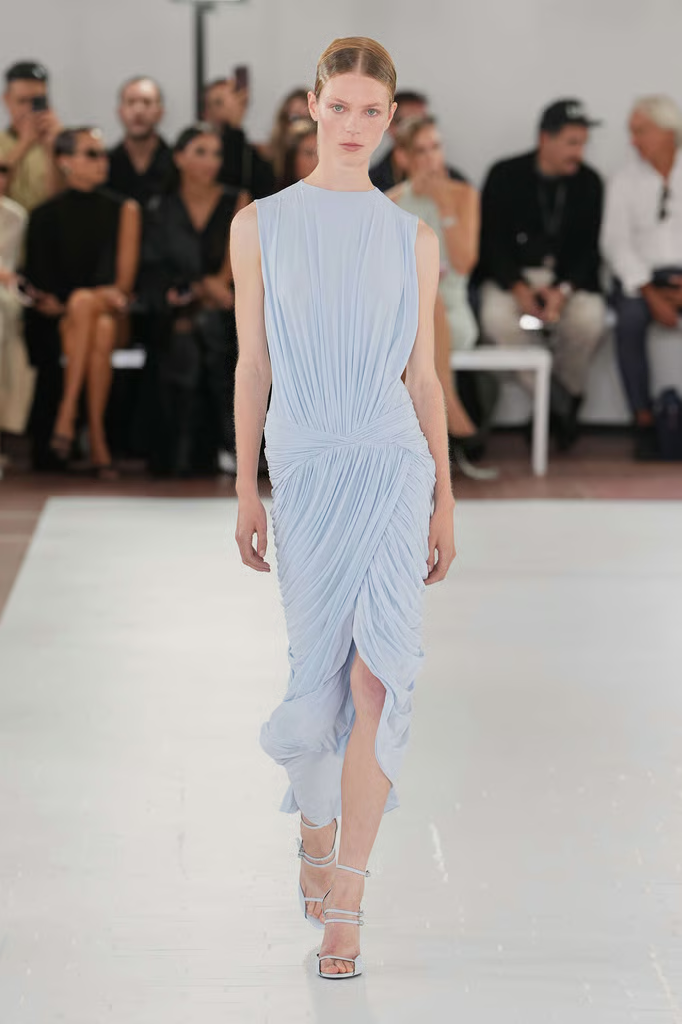
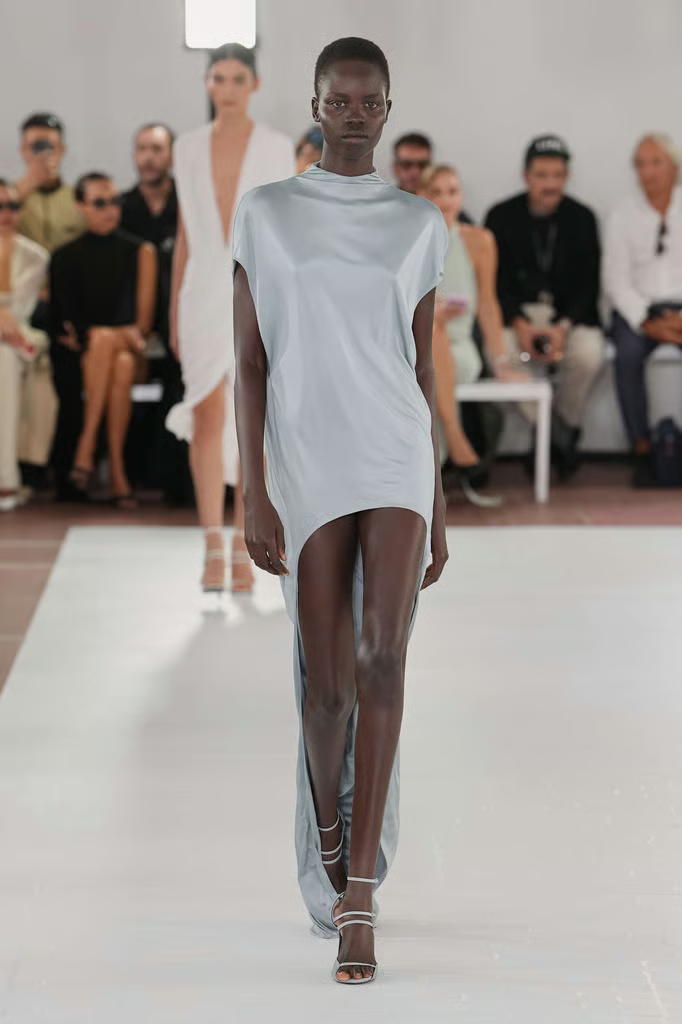
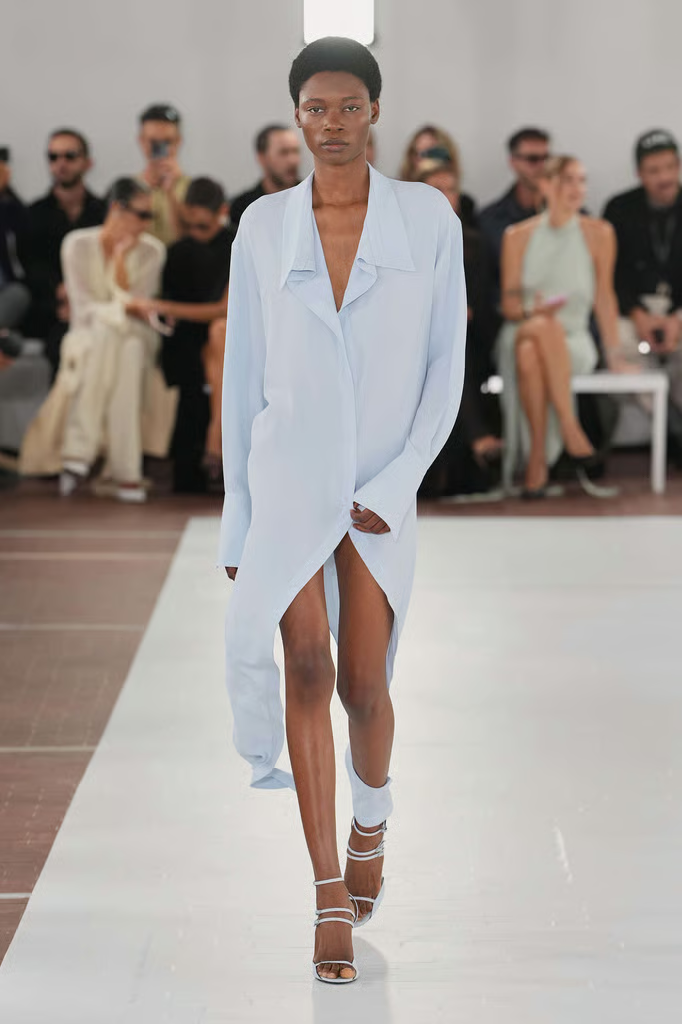
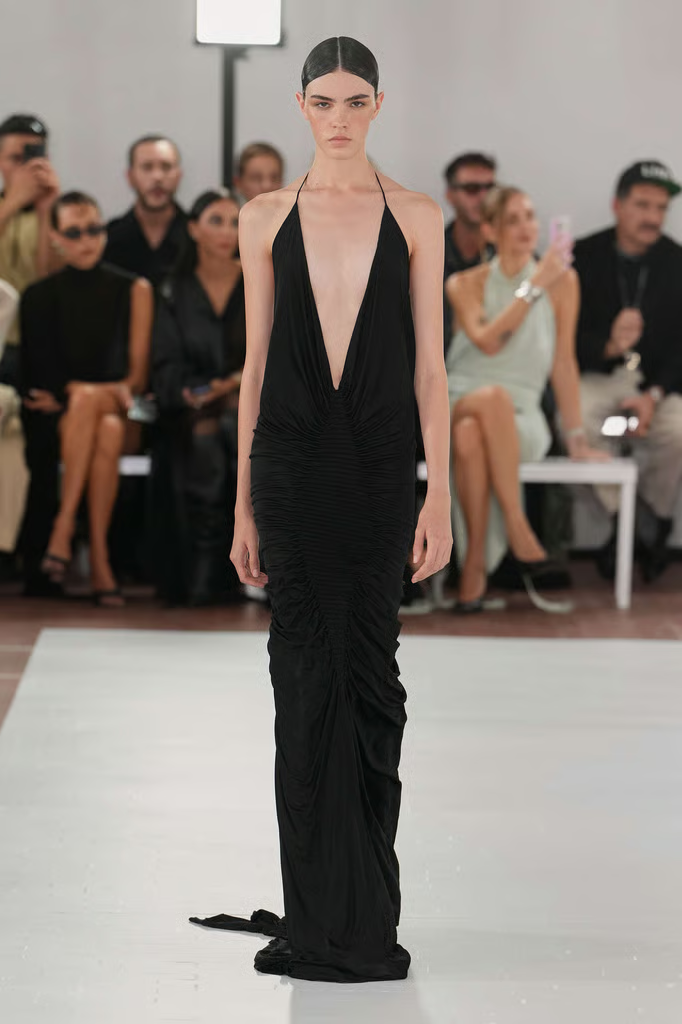
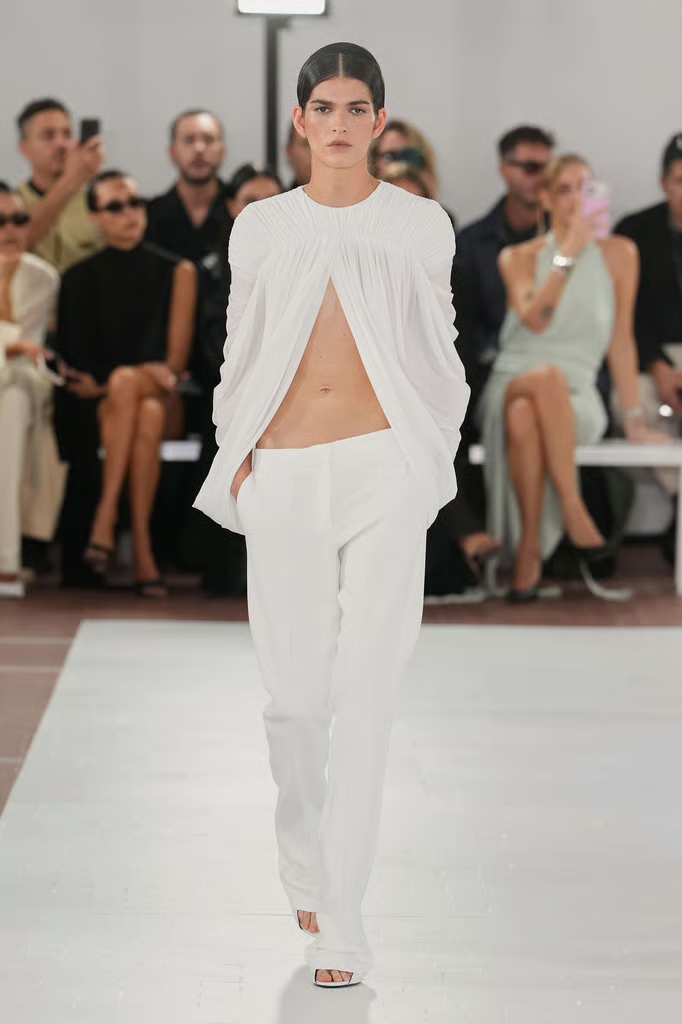
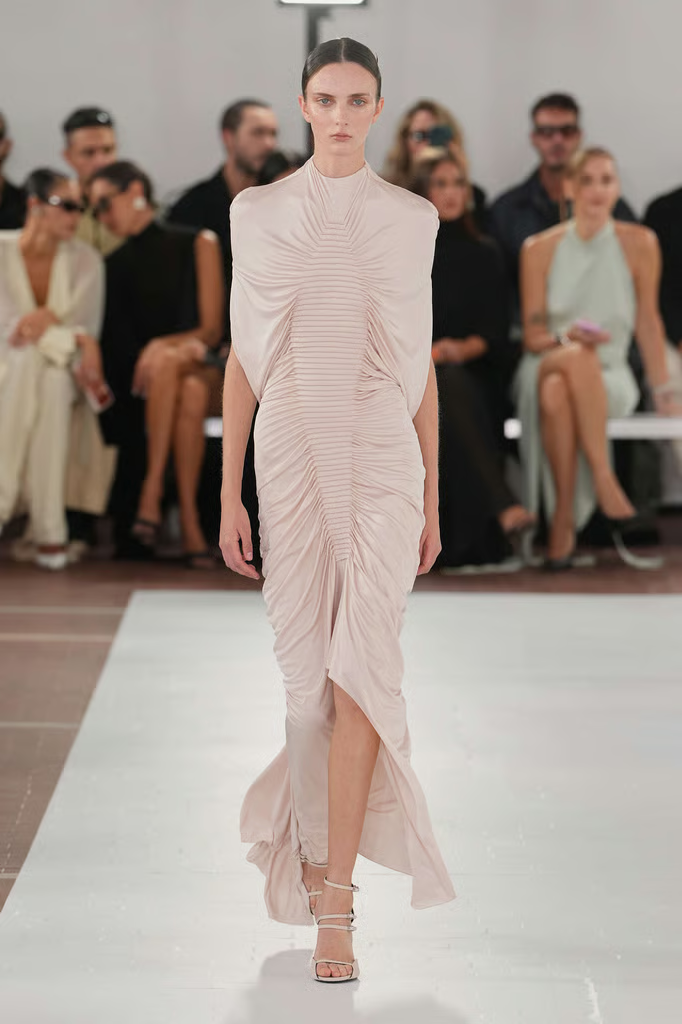
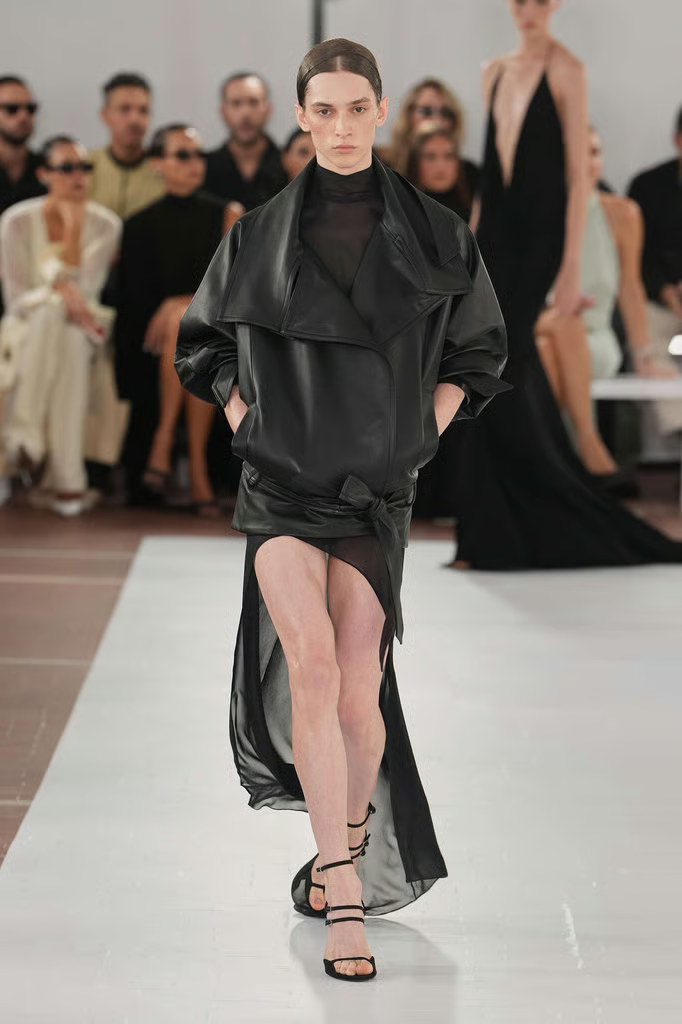
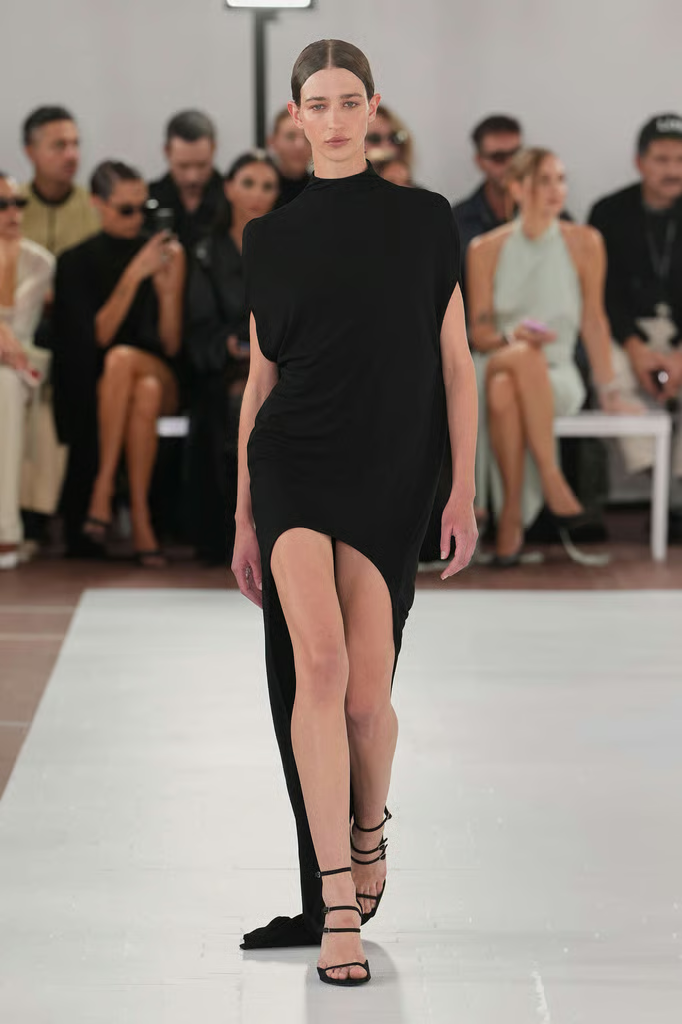
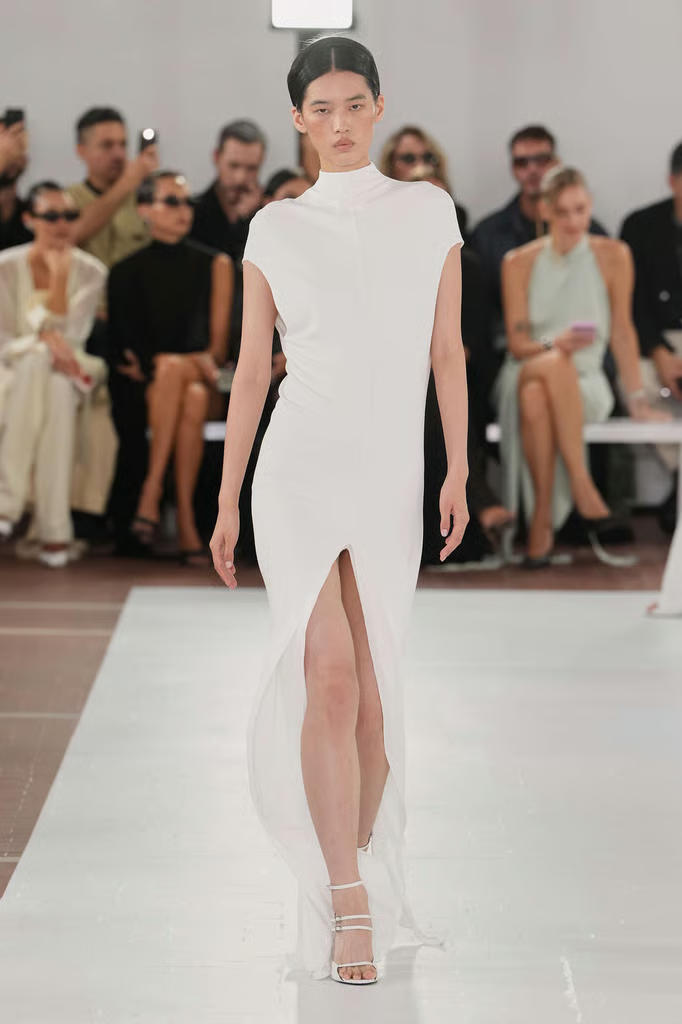
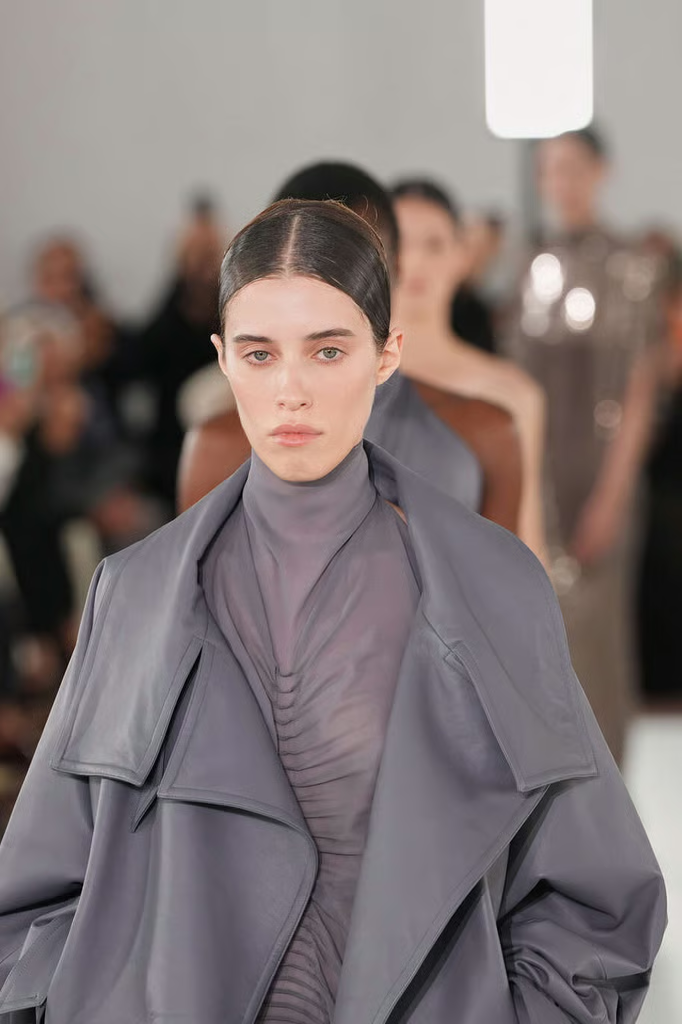
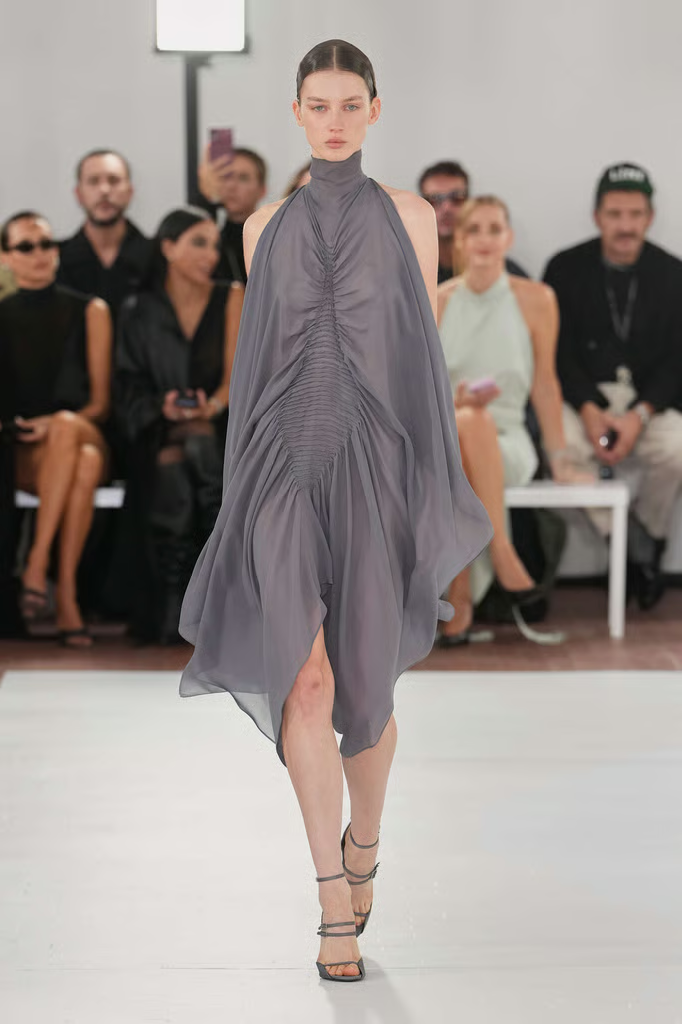
The machine half showed up as structure. Murano has always been a draper, but this season the drape held its shape. Glossy jersey was locked into sharp, fanning pleats that loosened as they travelled down the body, so dresses moved from rigid to fluid. Other pieces were pared back to floating geometric panels, some with no seams at all. A strapless tunic in slate grey, for instance, was cut clean across the bust and split open into a long train over wide trousers, with the fit coming from the fold rather than the pattern. These clothes look effortless and are anything but, because a plain surface gives the maker nowhere to hide.
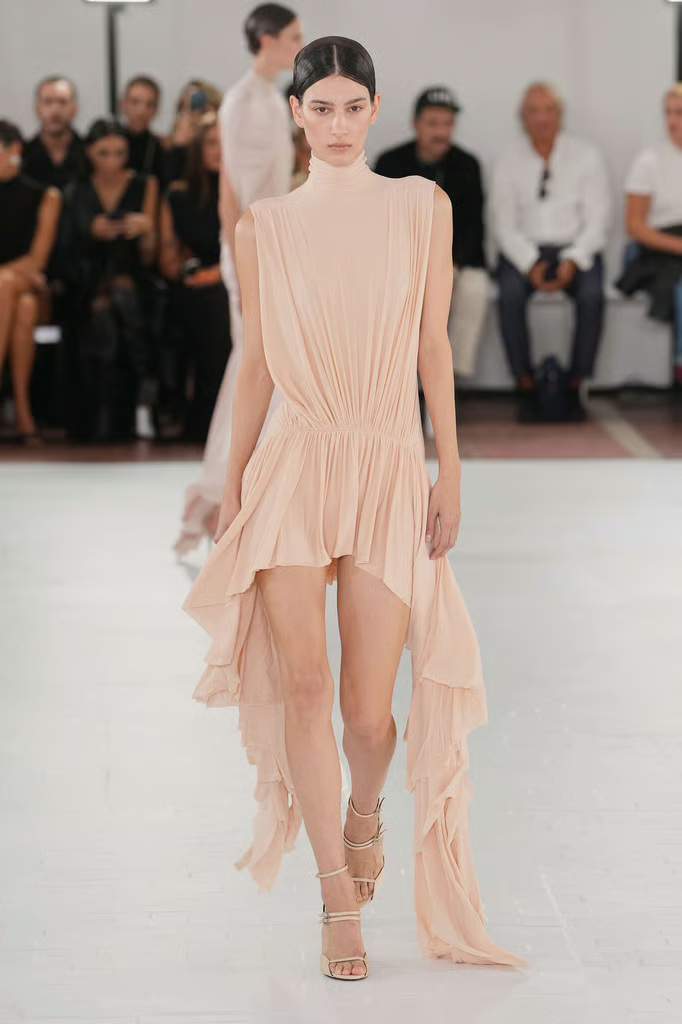
The human half arrived as skin and light. Capes wrapped the shoulders and arms, then opened at the back. A white halter with a deep plunge was gathered down the centre in soft ruching before breaking into an uneven hem, exposing the sternum and the line of the leg rather than the usual obvious zones. There was sensuality here, but it was measured.
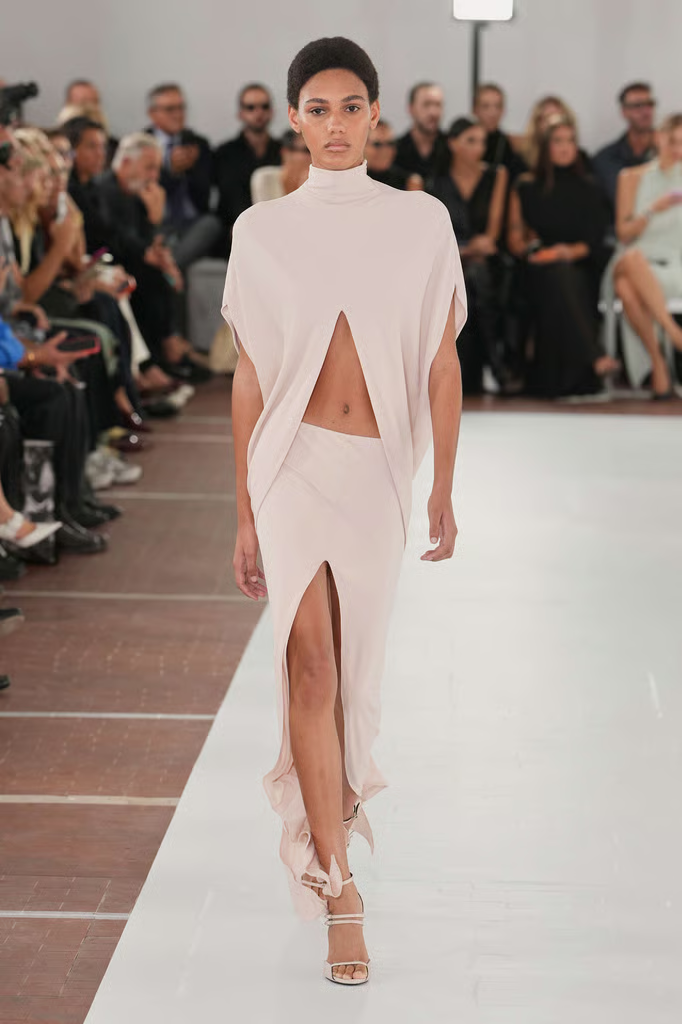
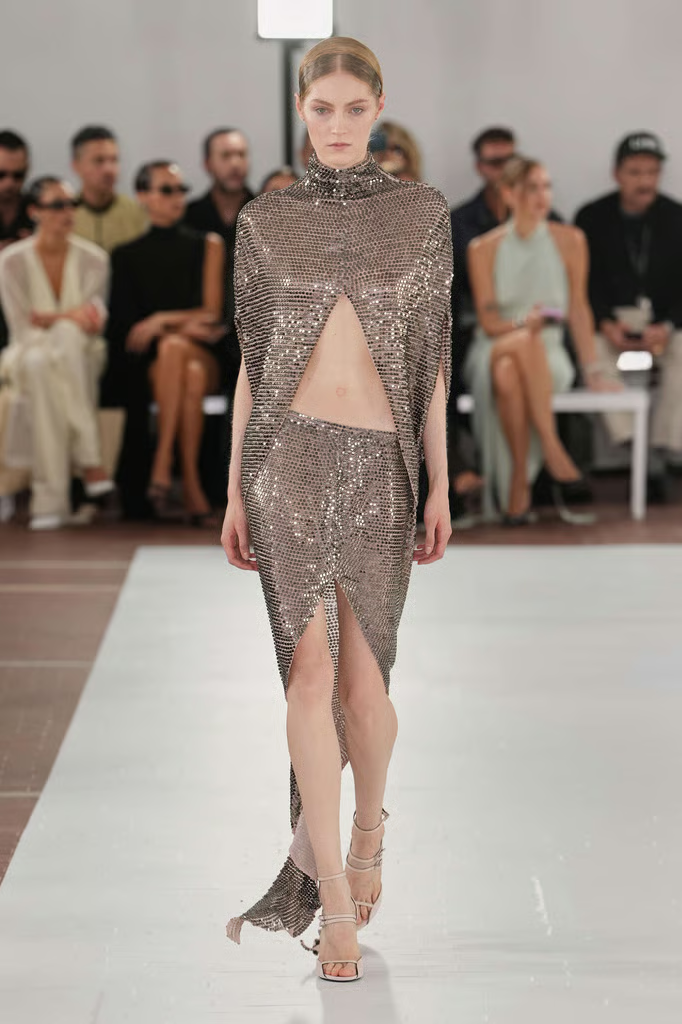
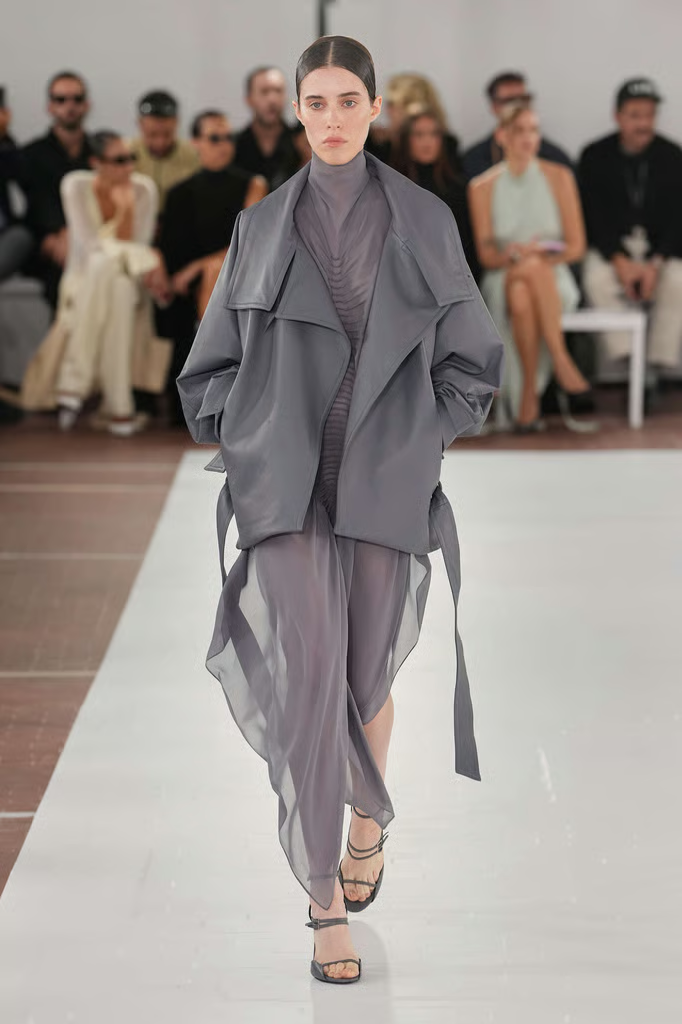
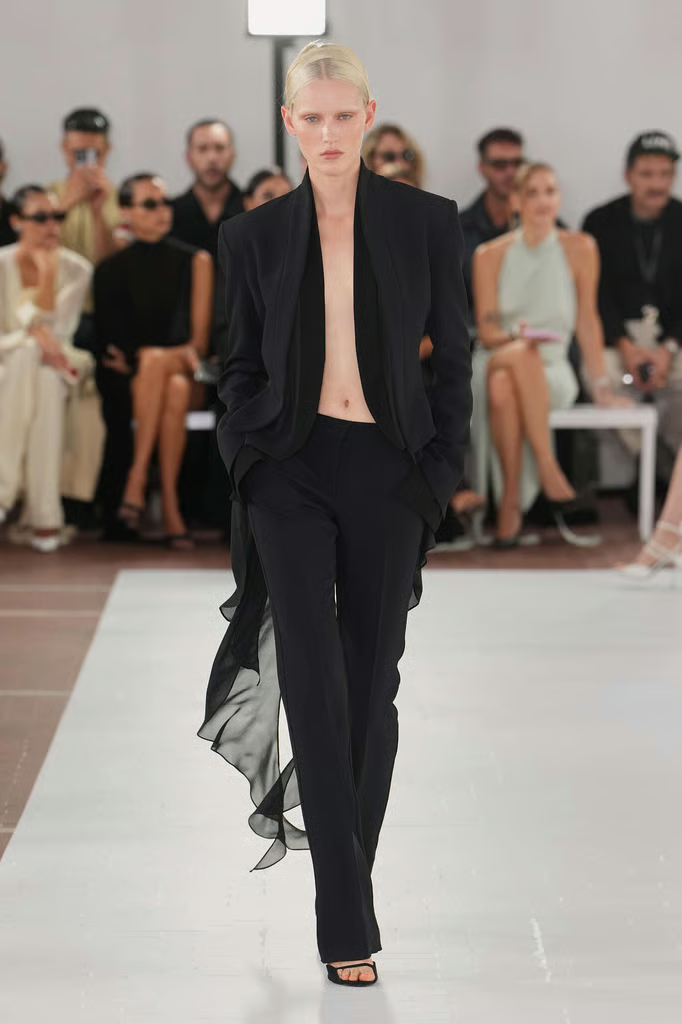
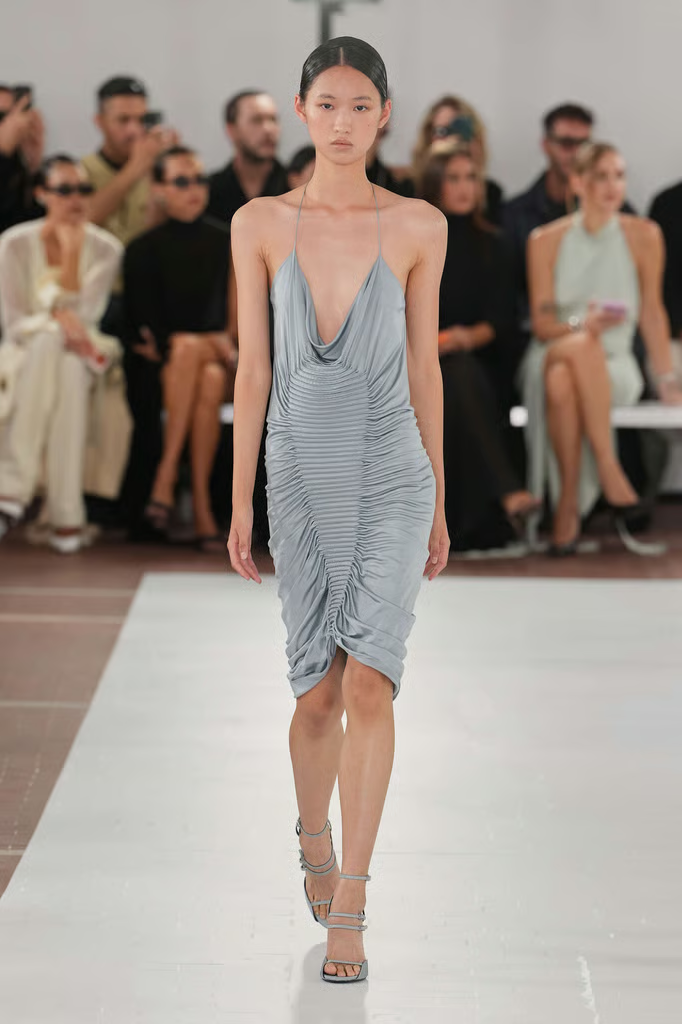
Where the two Marias met, Murano got his best idea. He embroidered georgette with small metal studs until it resembled chain mail, then cut it into long columns with cape sleeves. It looked like armour, but it moved like liquid, so protection became seduction.
Art Deco, German Expressionism and the figure of the warrior goddess were all present, but none of them took over. What the collection really argued for was craft. Murano treats draping as a building method and then lets the building walk. That’s a more persuasive vision of the future than any robot could offer, and a quieter one.
Featured Images: ©Launchmetrics/spotlight