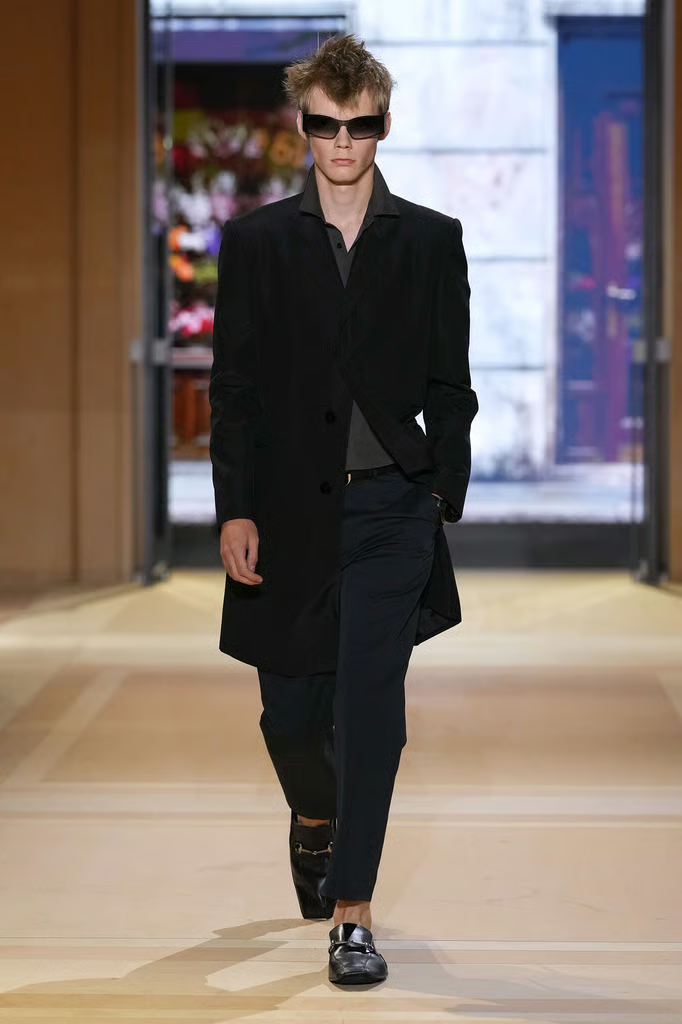
Gucci’s Spring 2027 show in Milan was set in a store, sort of. The house called it “The Store Show”: a string of neutral, retail-style rooms that models walked through. Gucci said the set was also a preview of what its boutiques could look like under Demna. Menswear and womenswear came out one after the other, and the clothes showed he’s thinking about the whole business, not only the runway.
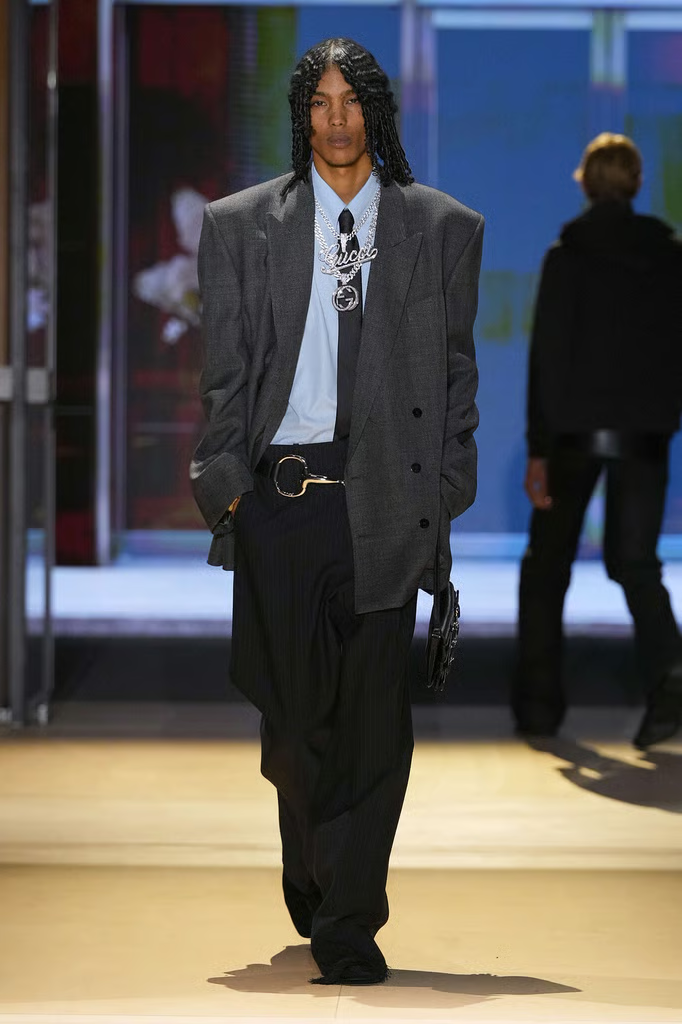
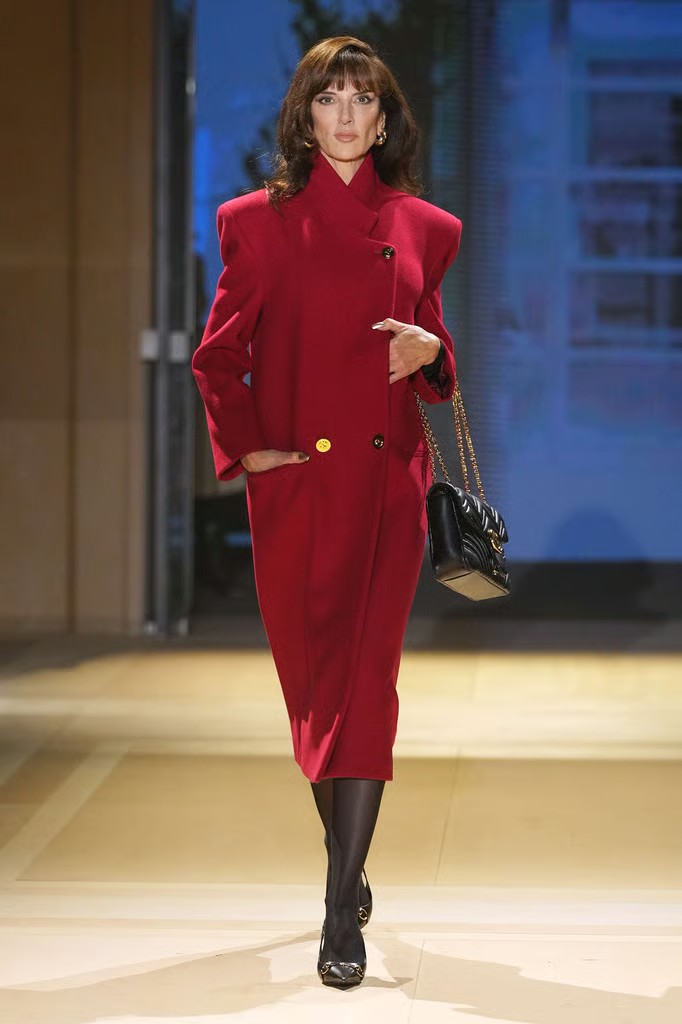
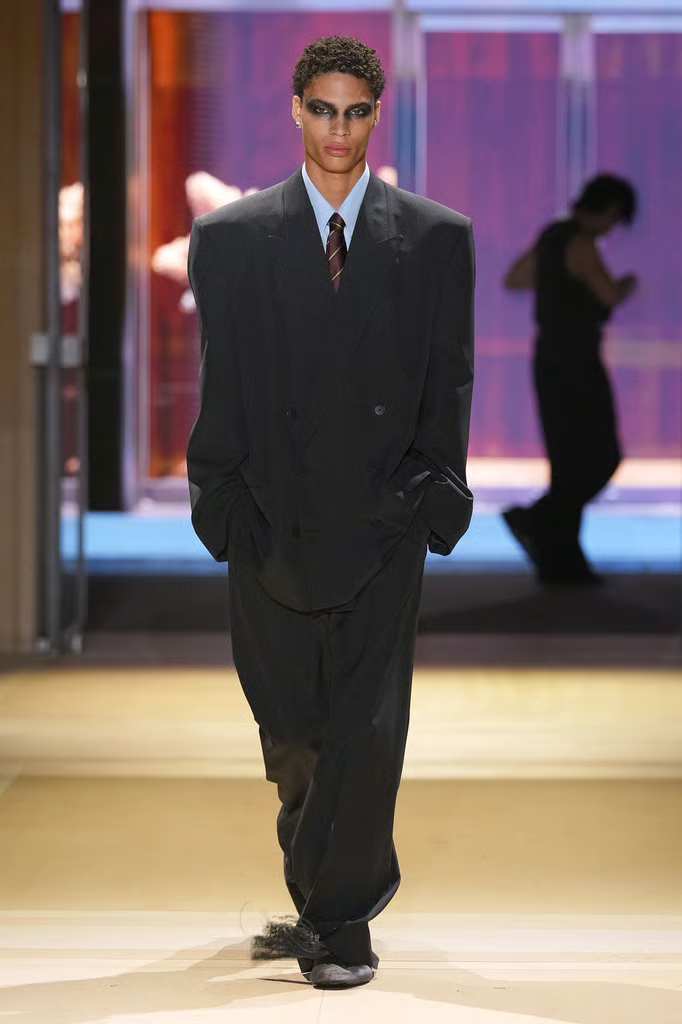
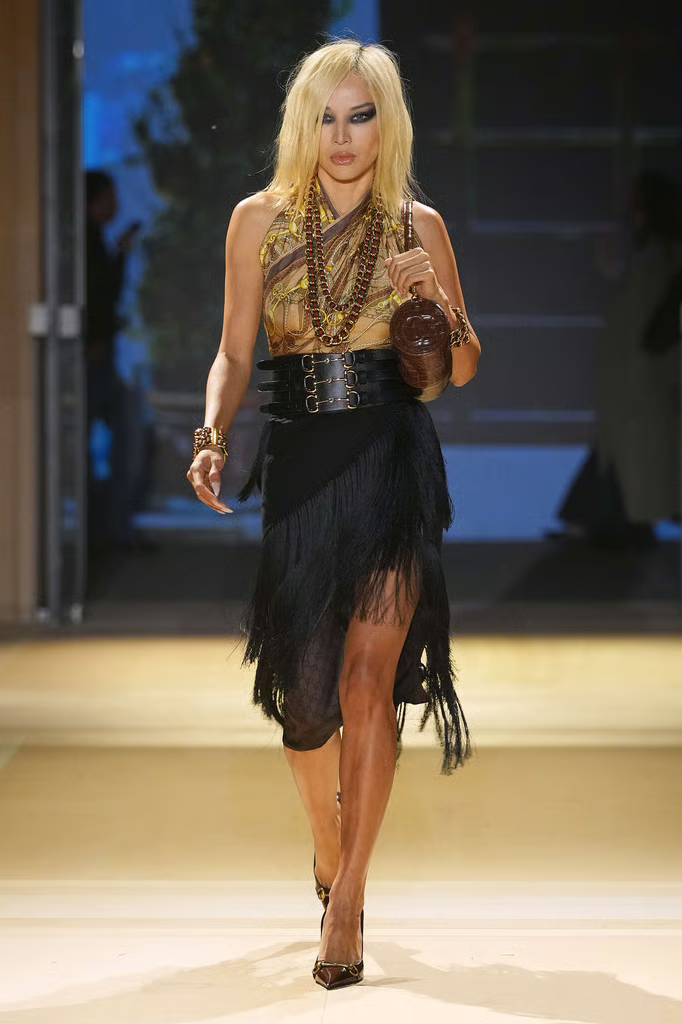
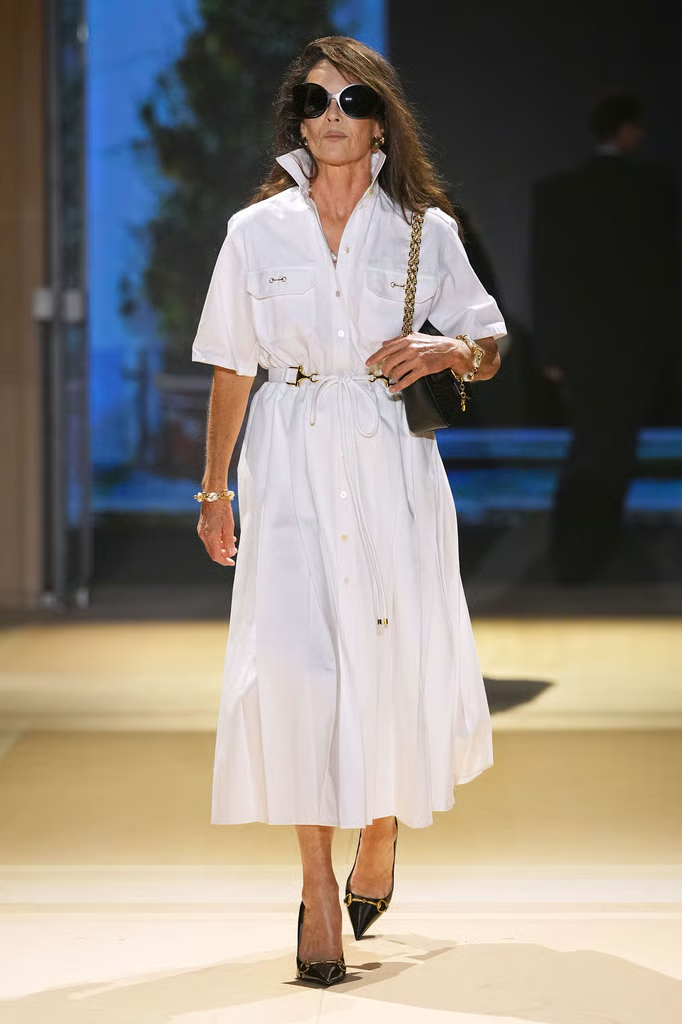
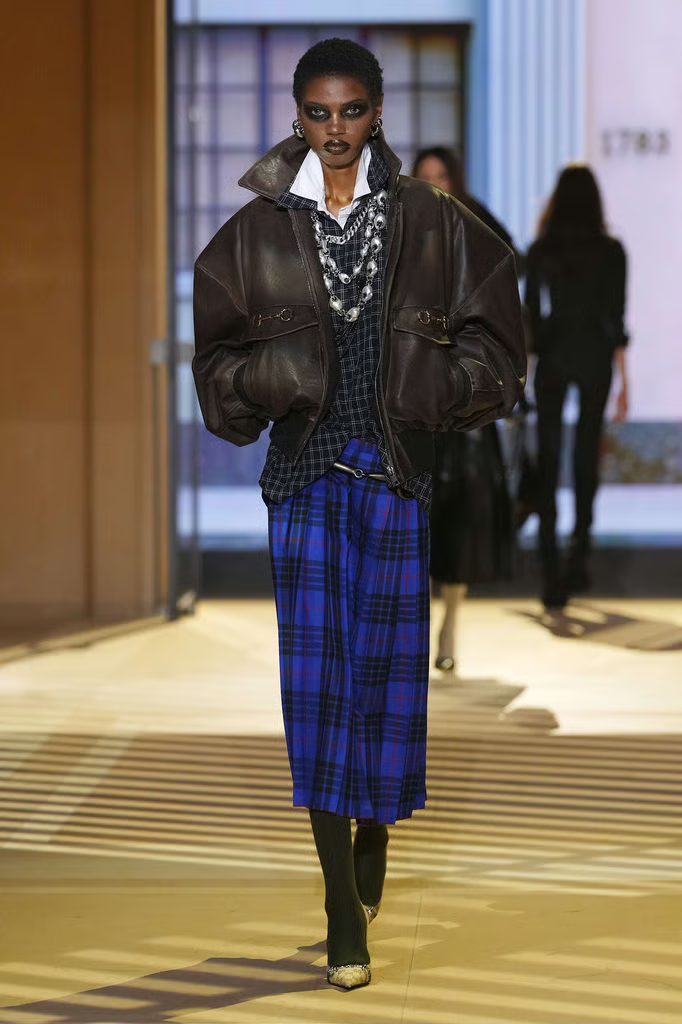
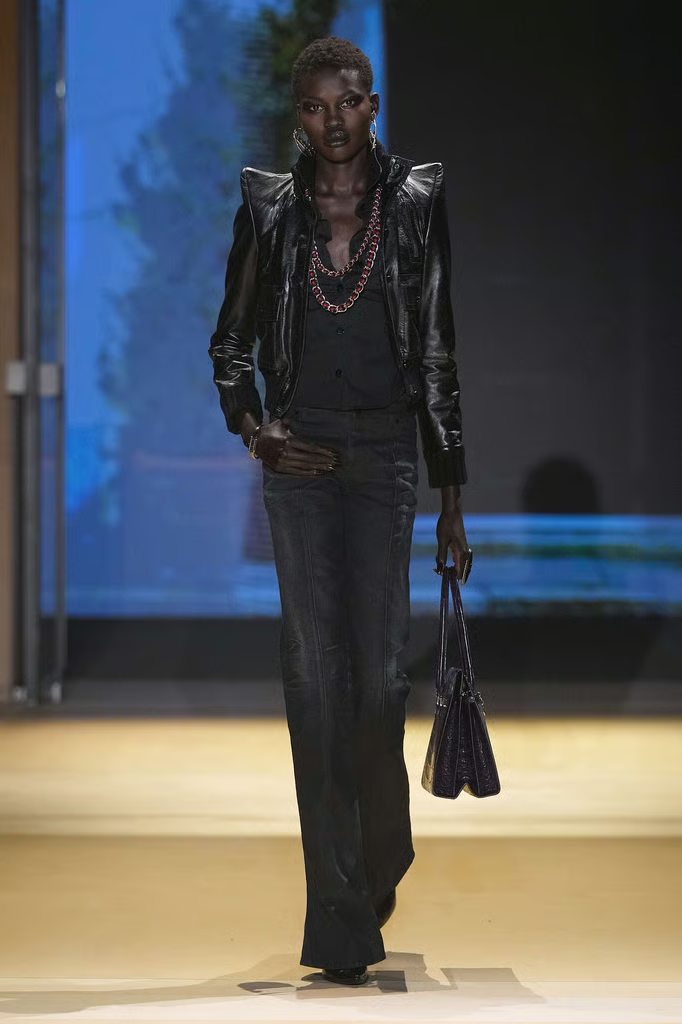
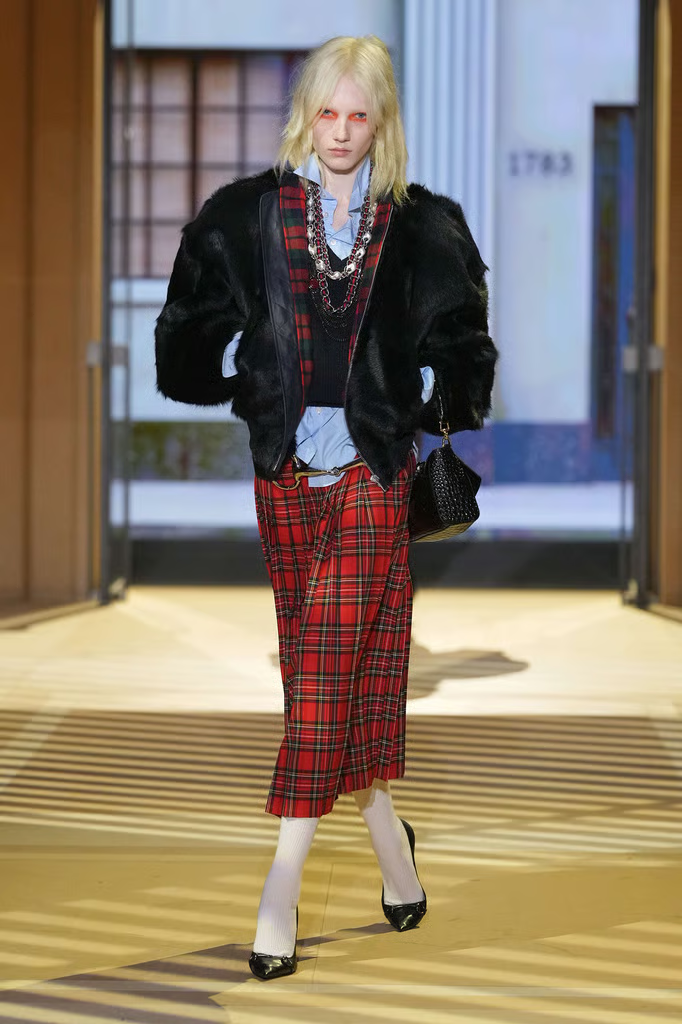
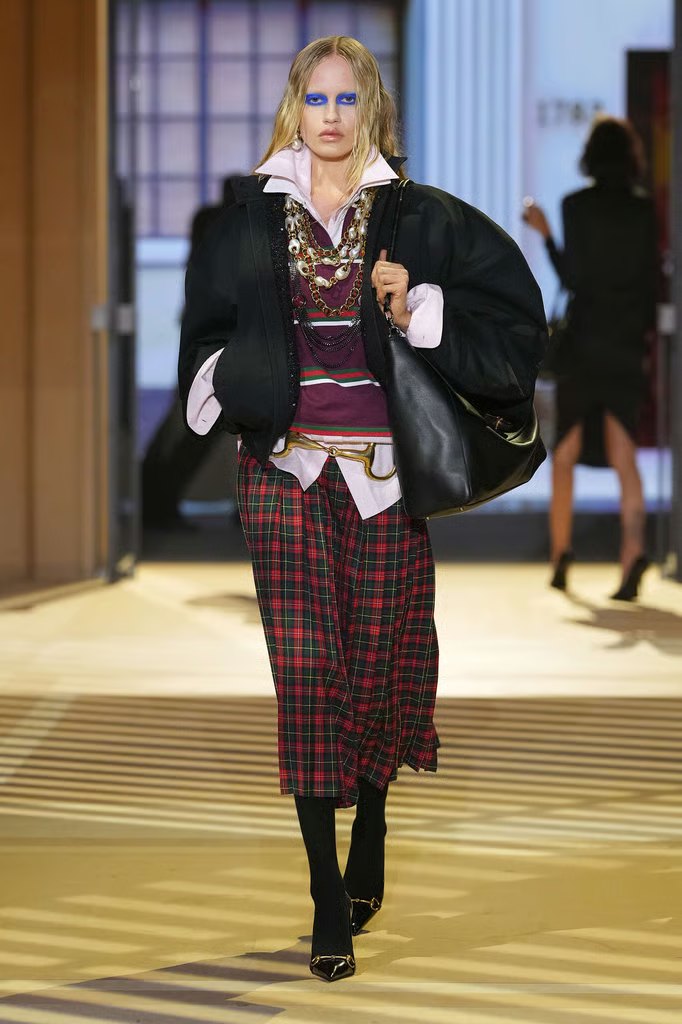
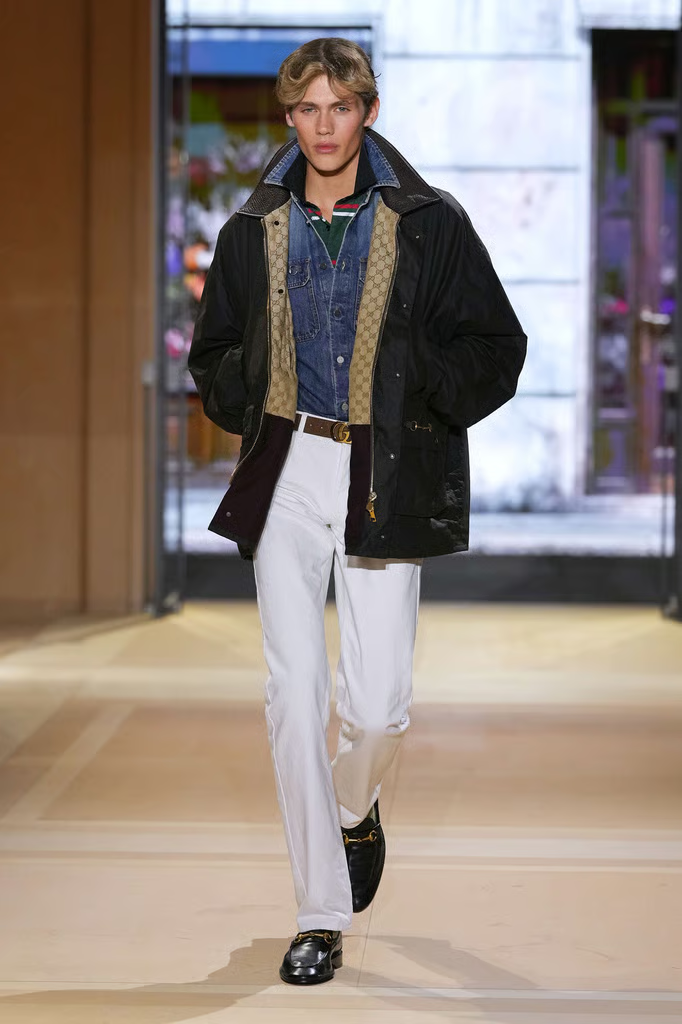
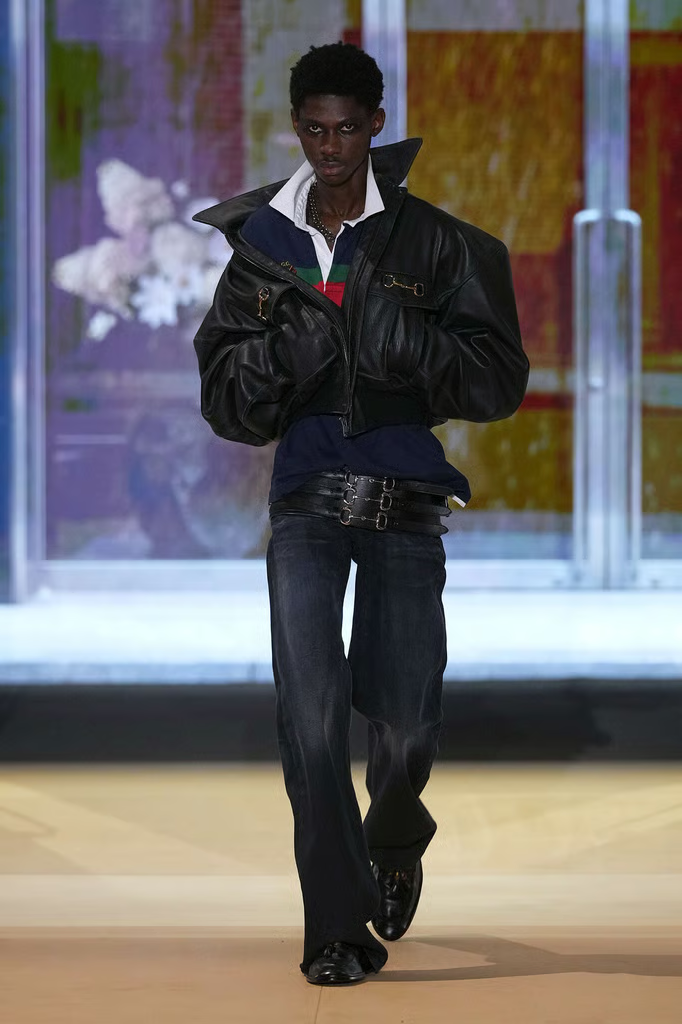
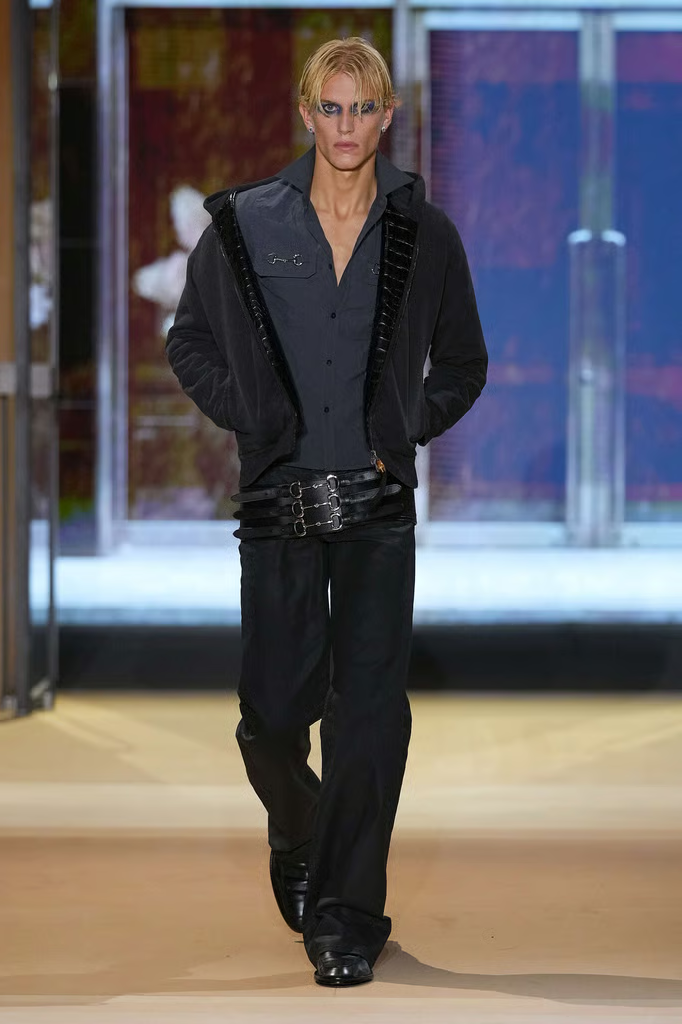
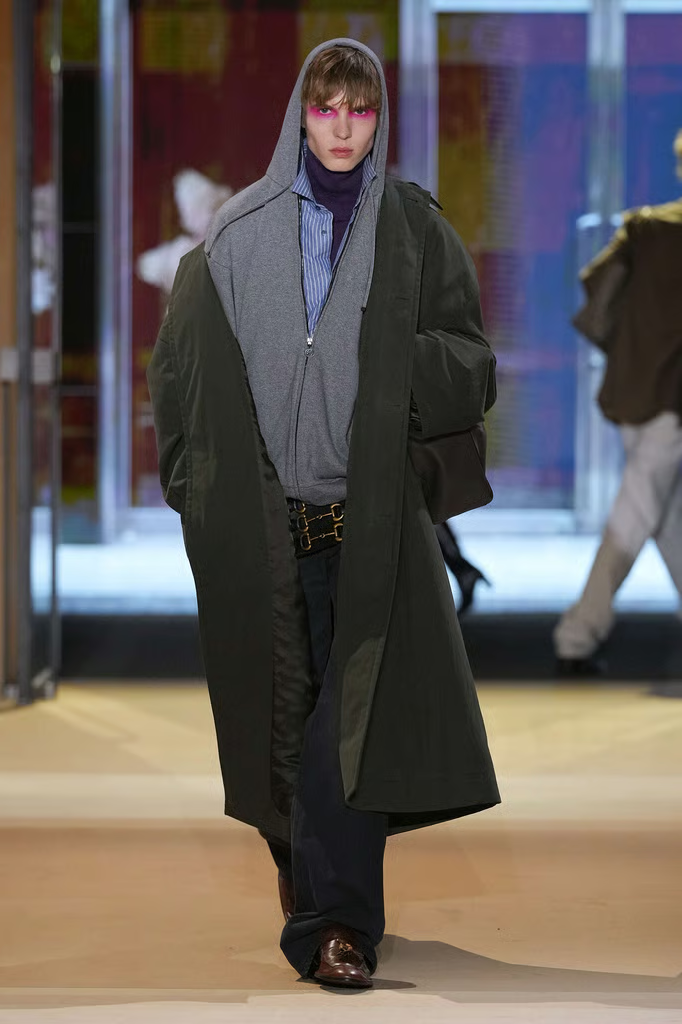
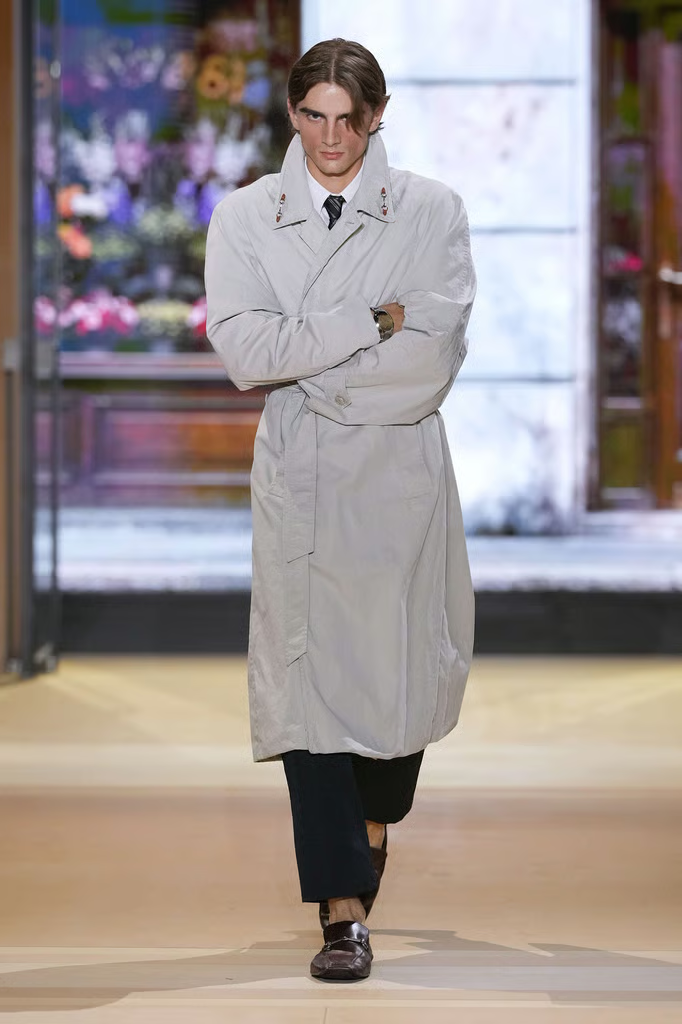
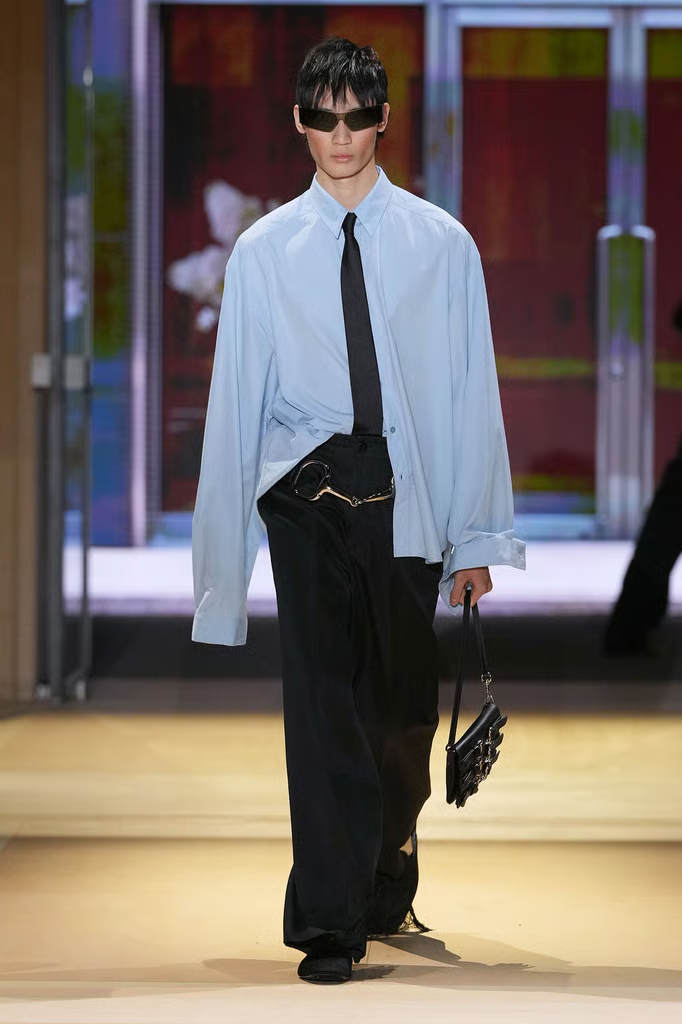
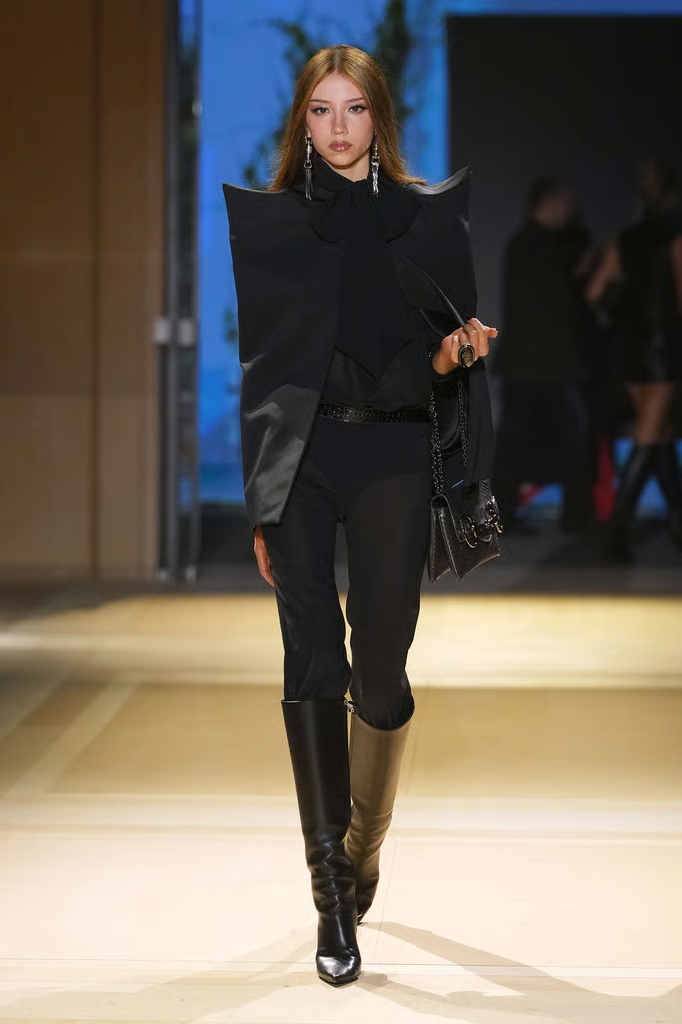
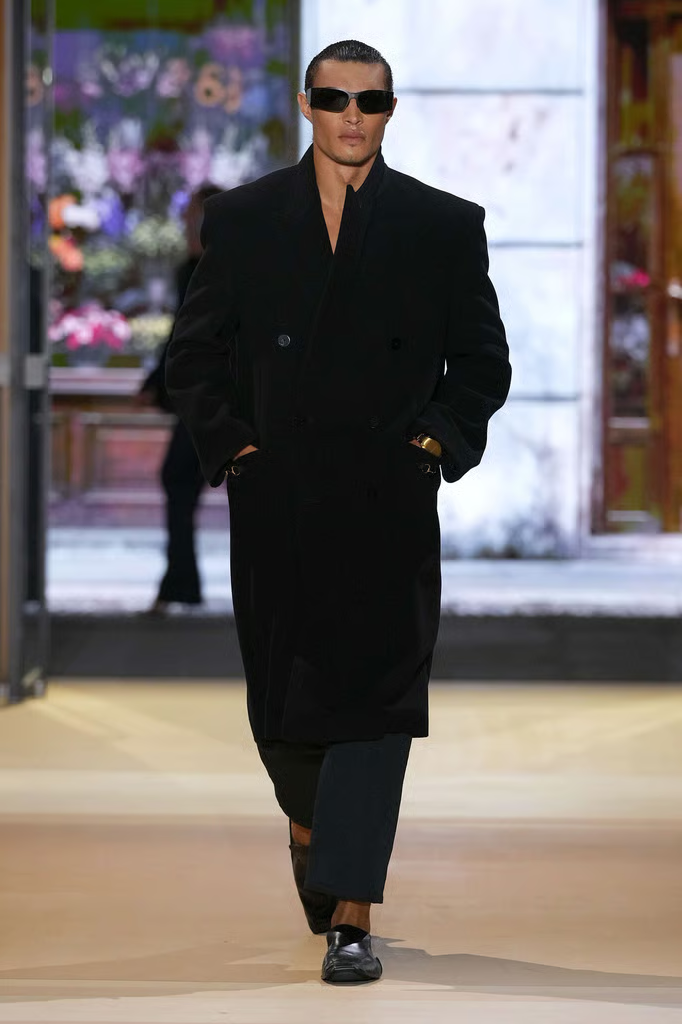
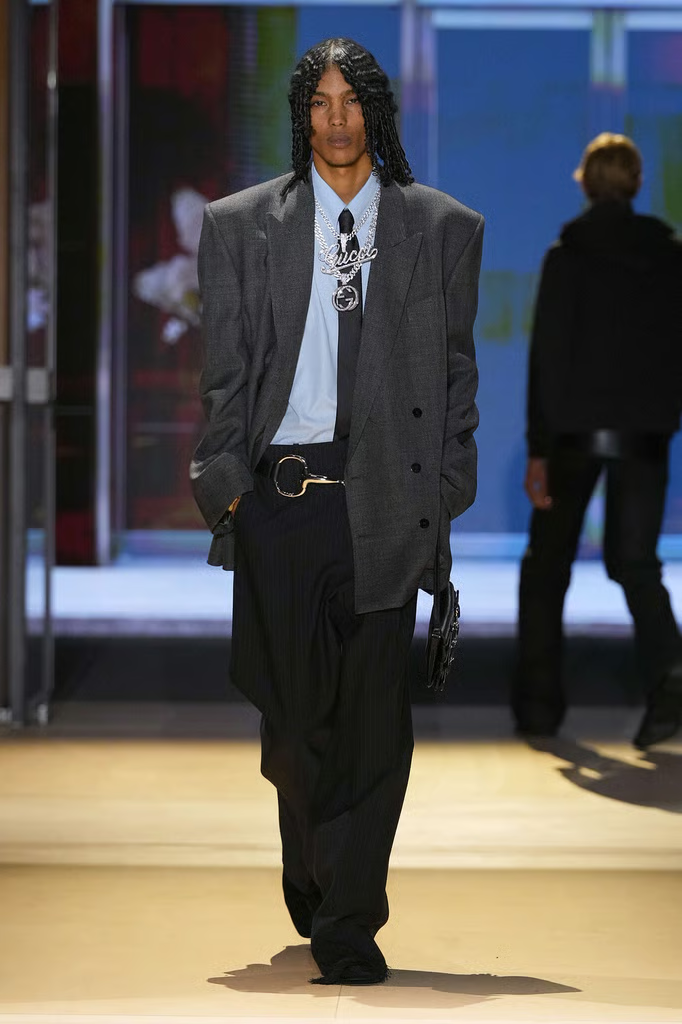
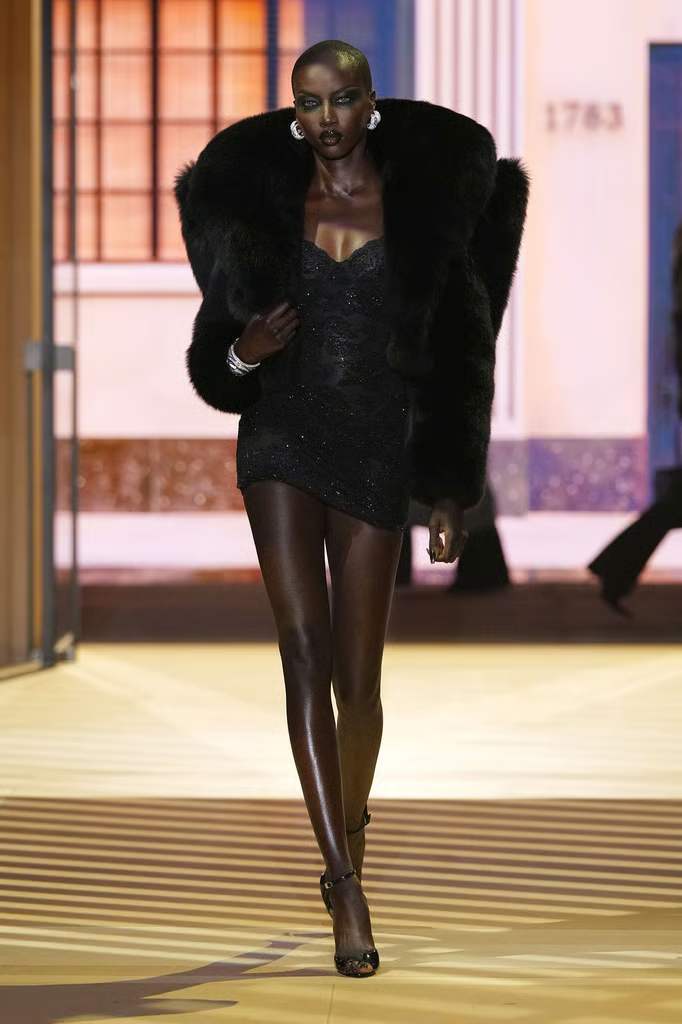
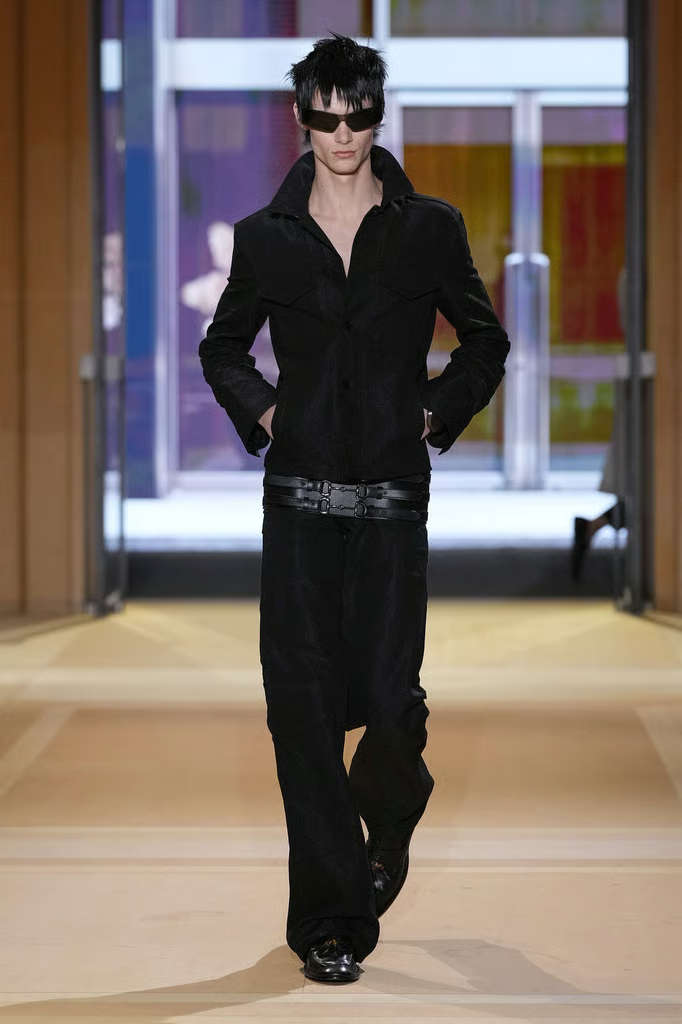
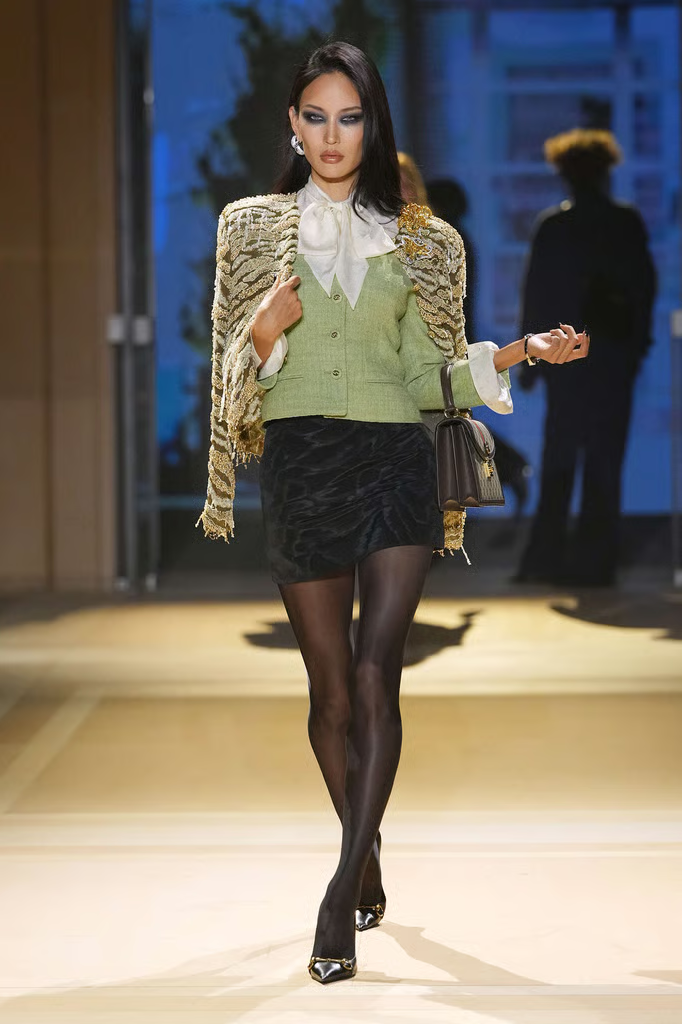
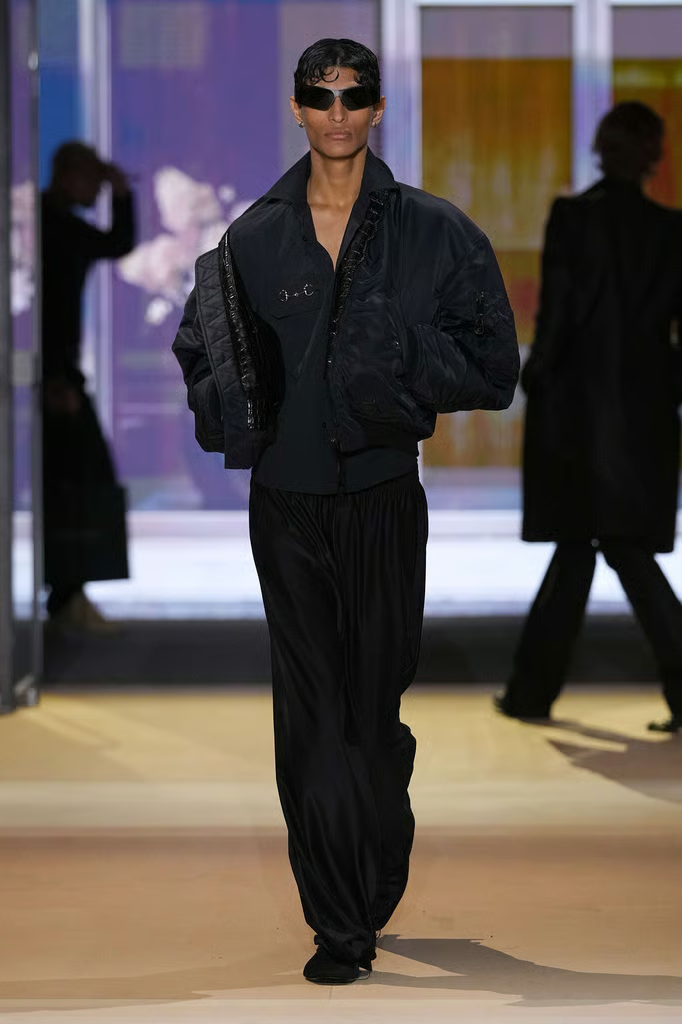
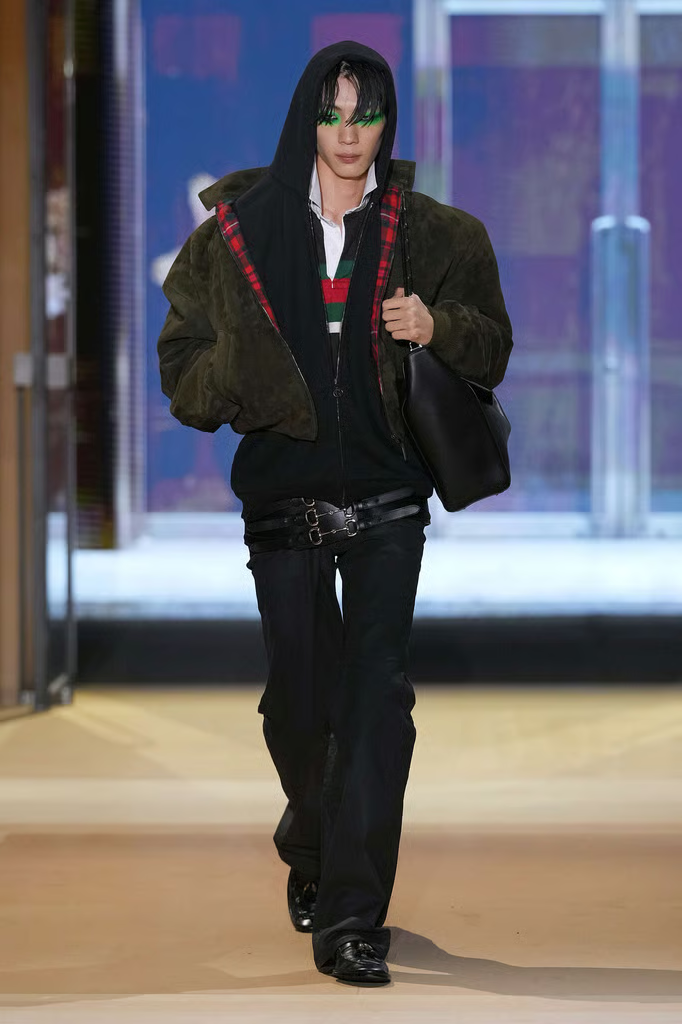
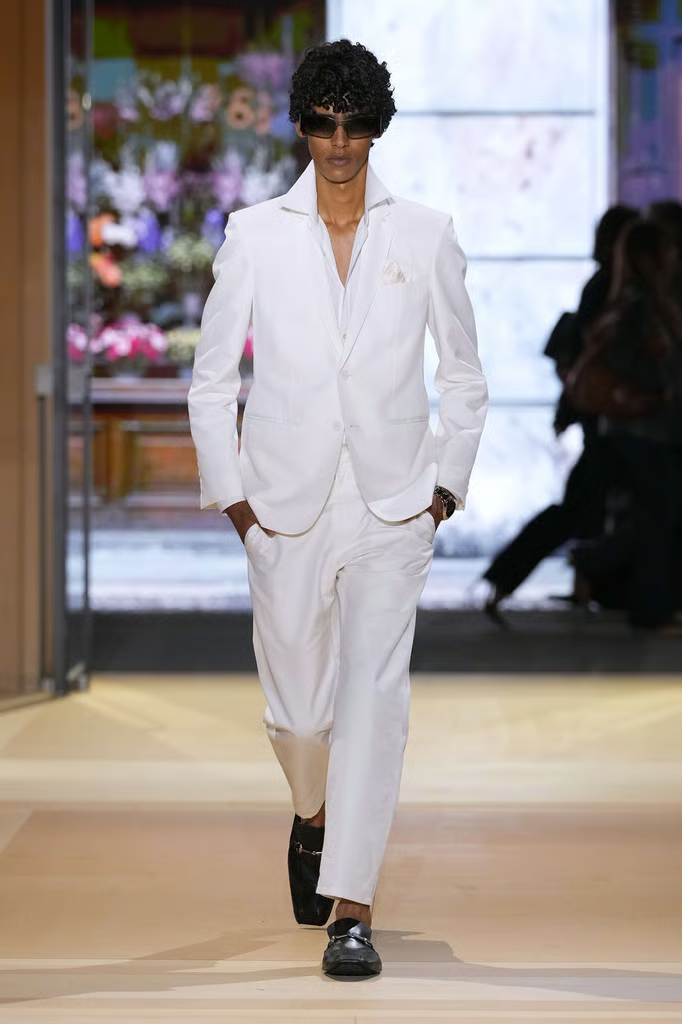
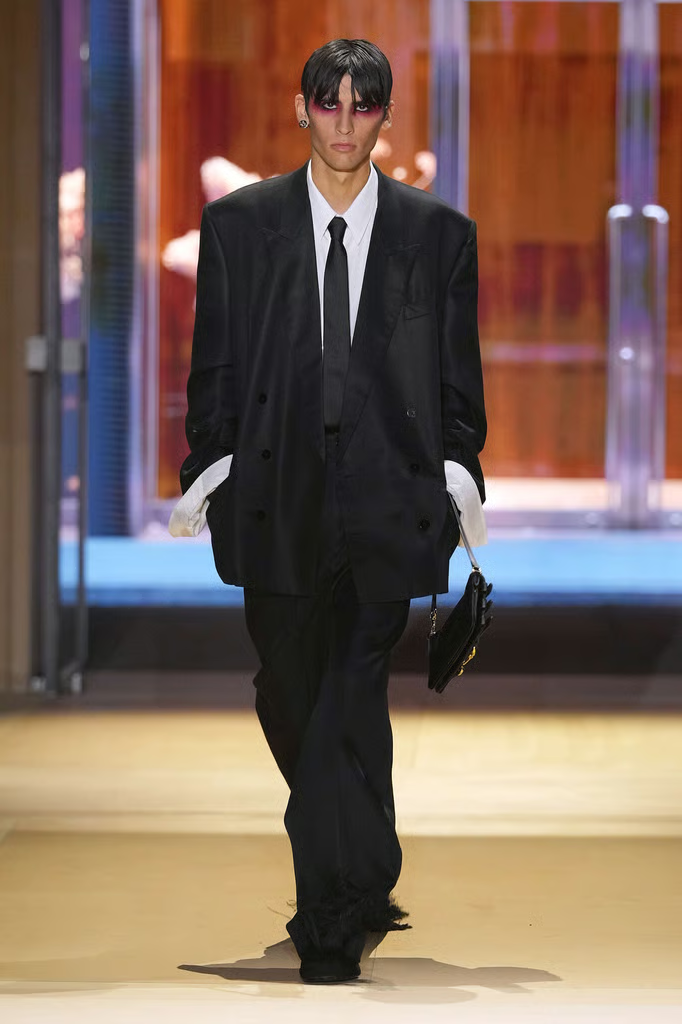
This is Demna’s third Gucci collection, but it’s the first he describes as a complete personal vision for the house. He joined from Balenciaga in March 2025, took over in July after Sabato De Sarno left, and has spent the time since learning how the brand works. His notes explained what he found. Gucci, he said, “moves easily between aristocracy and pop culture, Florence and Hollywood, good taste and bad taste (whatever that means), heritage and mass desire, belonging and rebellion.”
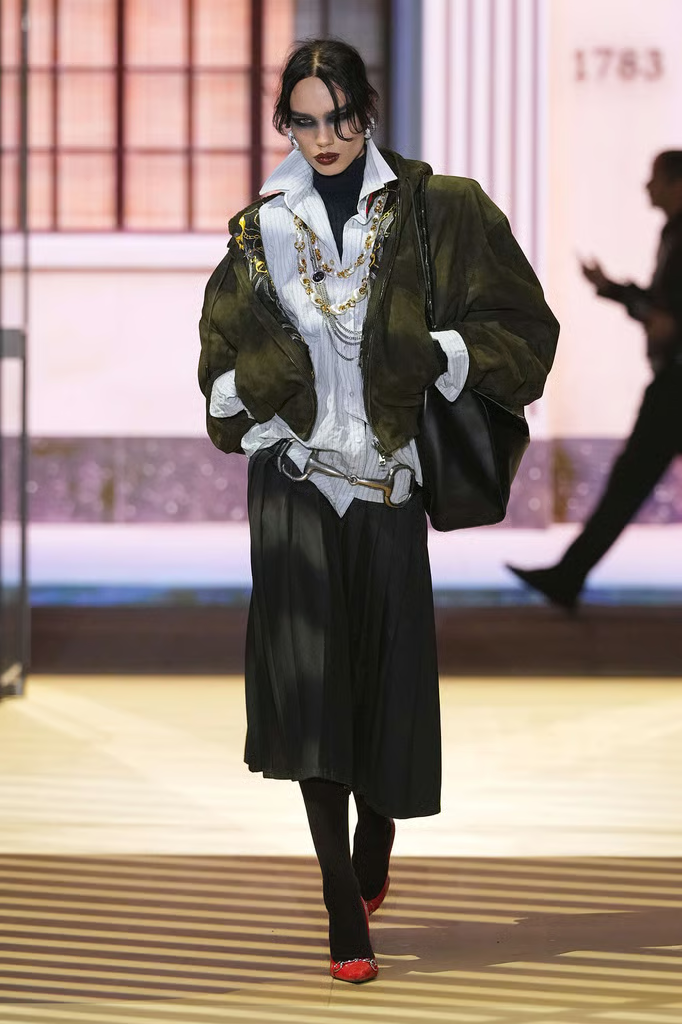
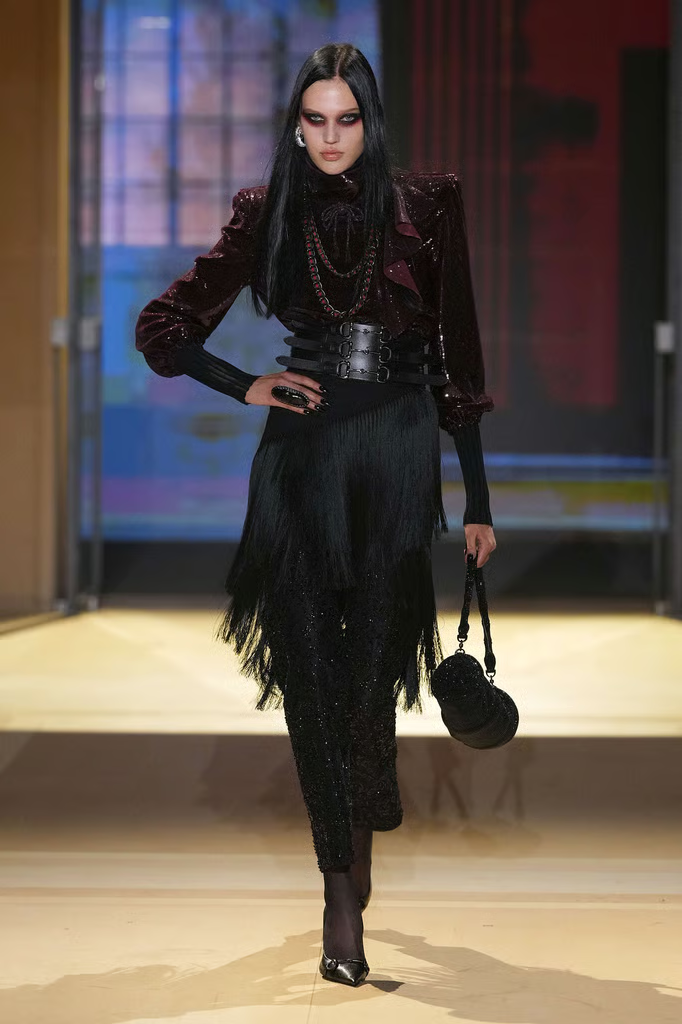
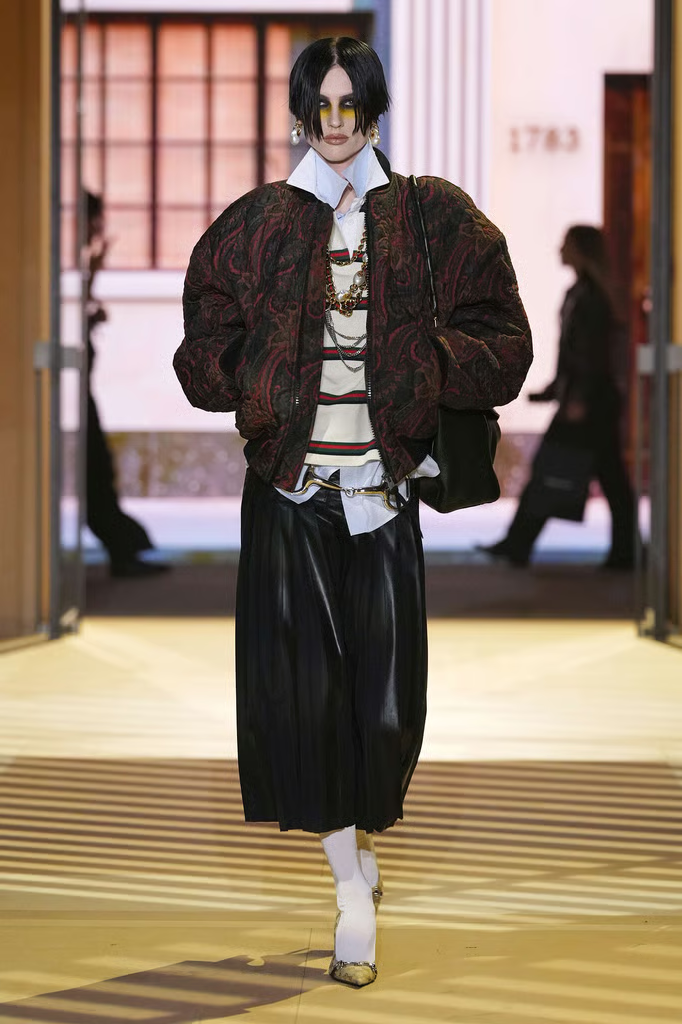
Both sides of that list showed up in the clothes. Tailoring had pagoda shoulders, peaked and a little formal, the kind of silhouette that looks like old money. Outerwear went the other way: cropped, puffed-up shapes with some of the exaggerated volume that made Demna famous. One side dresses the aristocrat and the other dresses the fan. He doesn’t pick between them, and the tension is where the collection gets interesting.
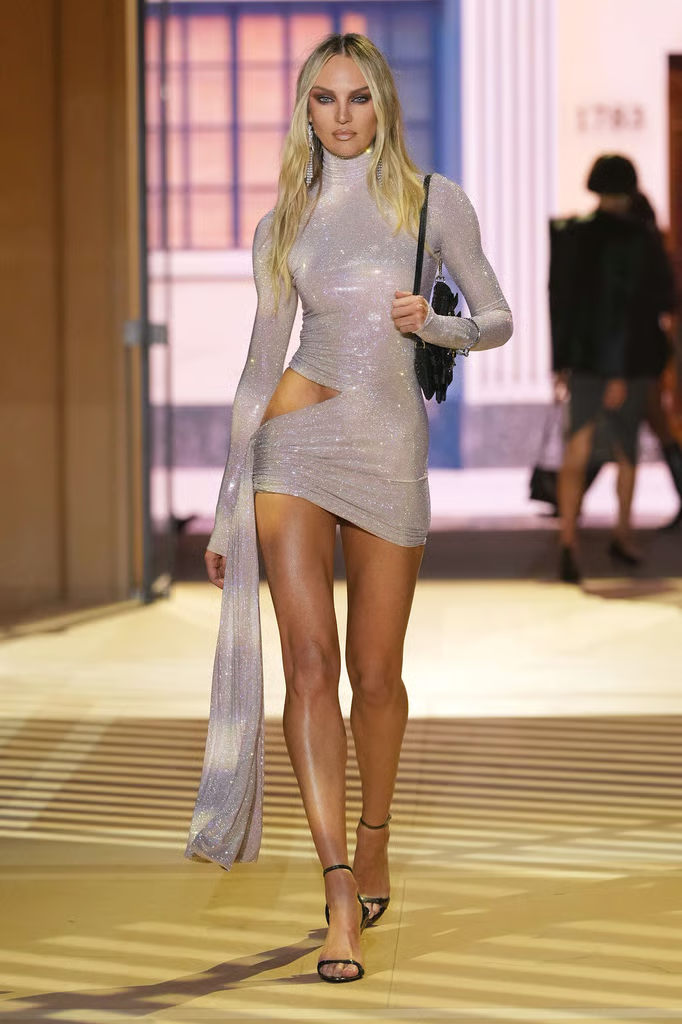
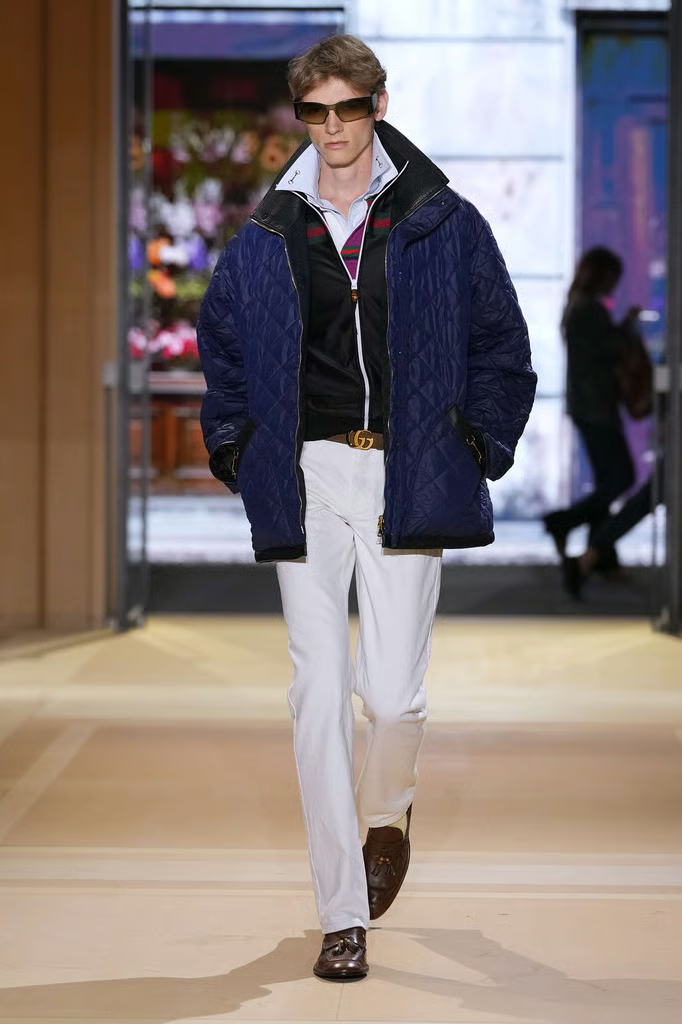
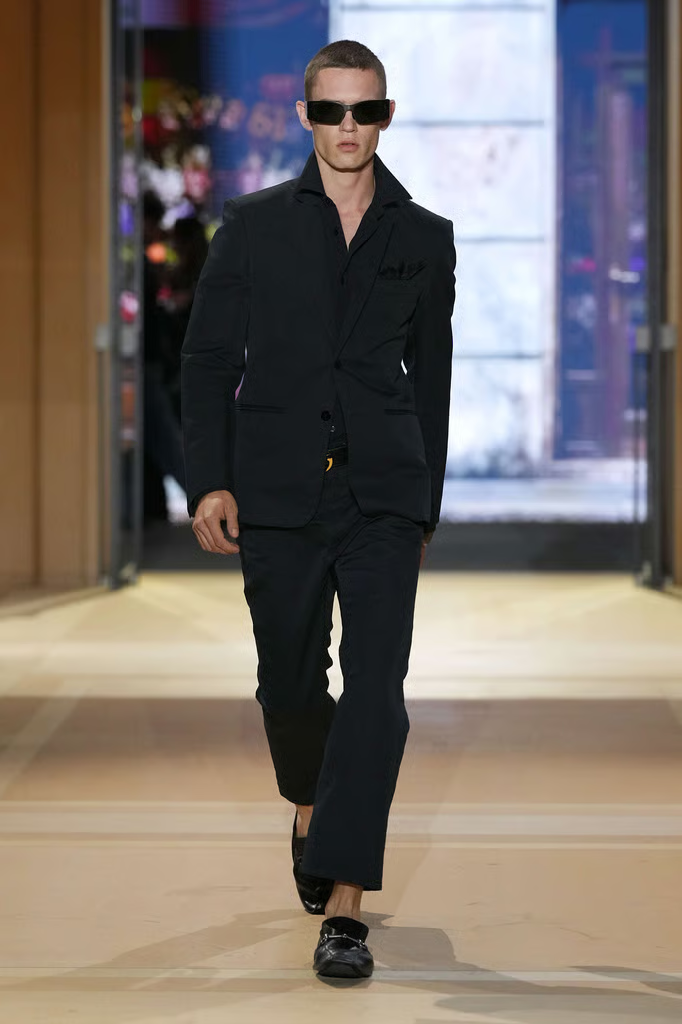
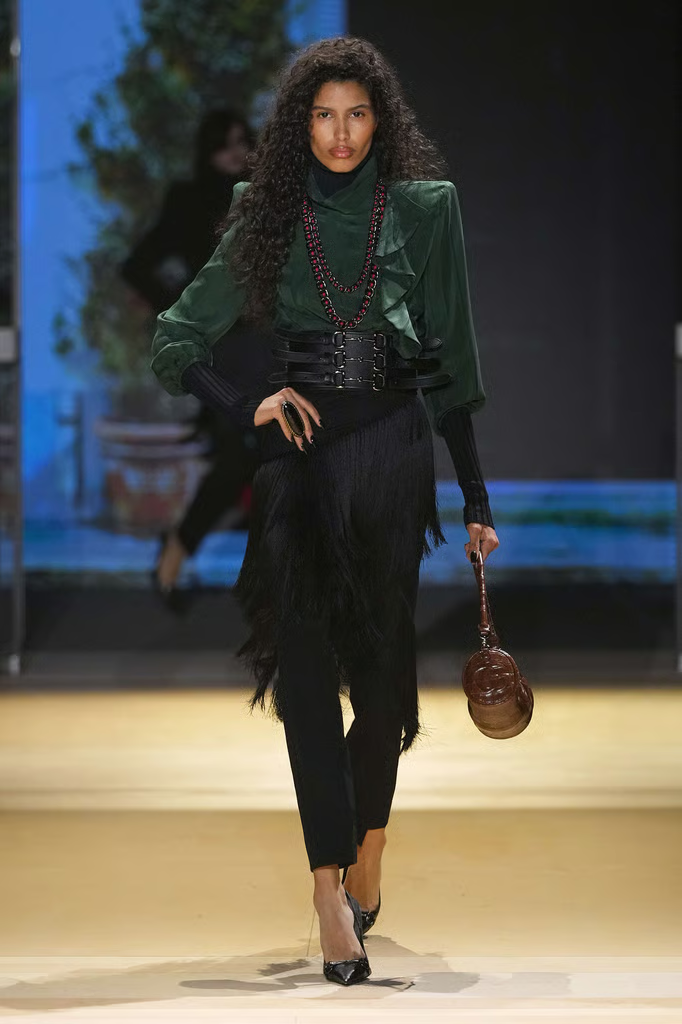
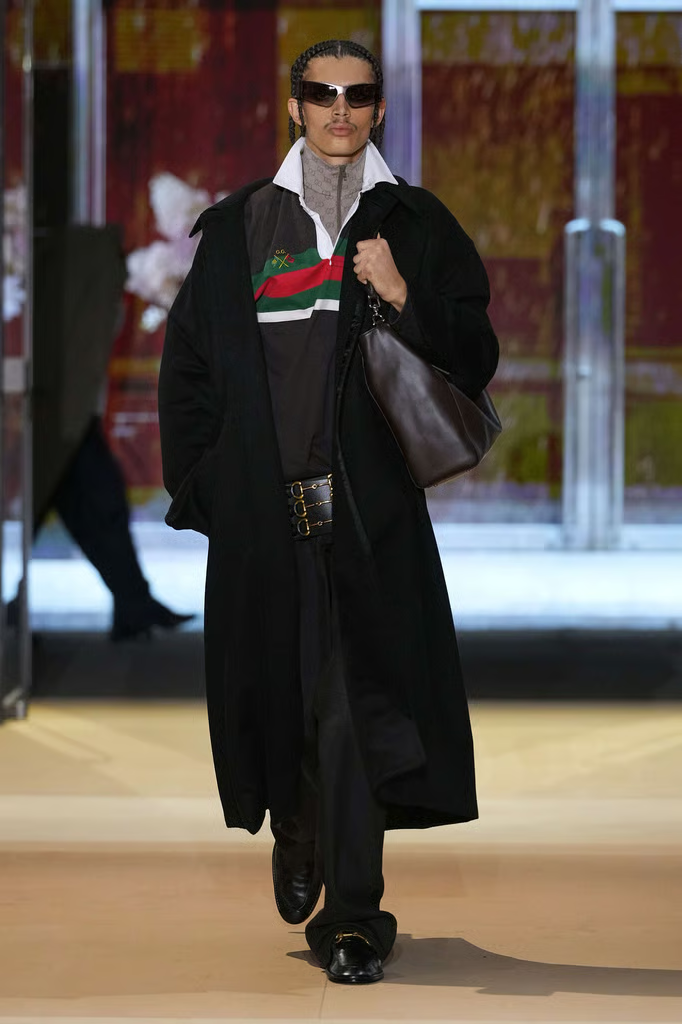
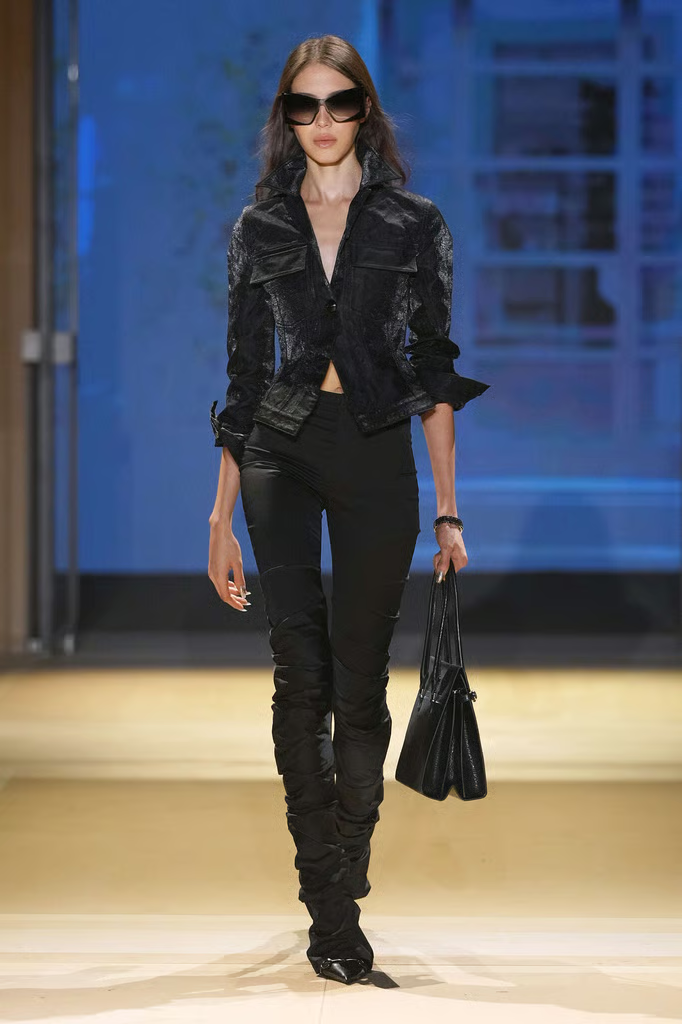
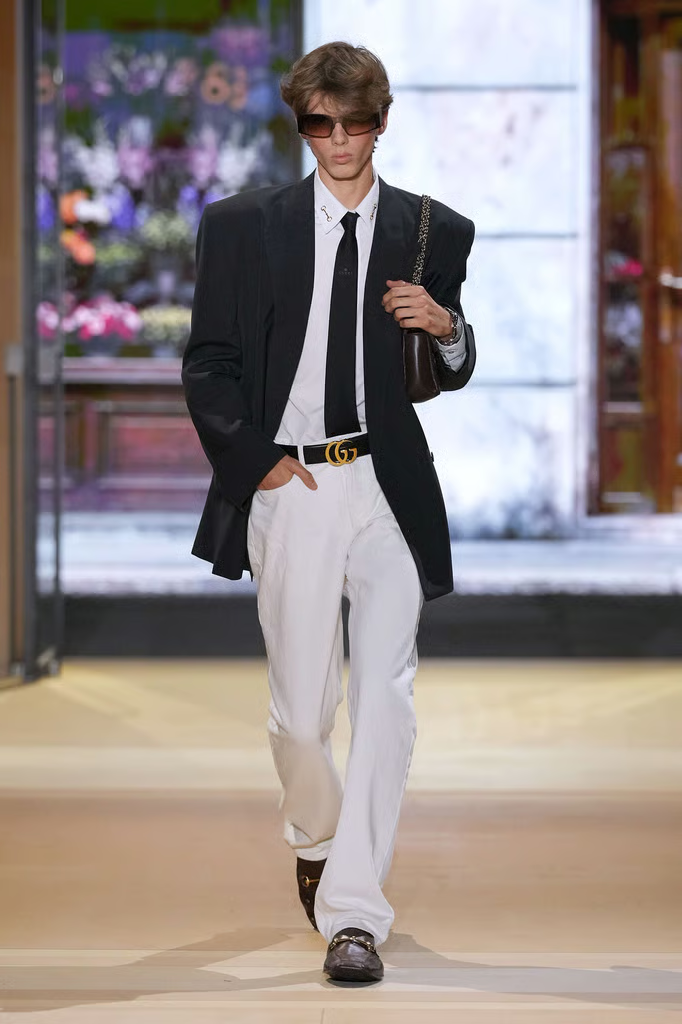
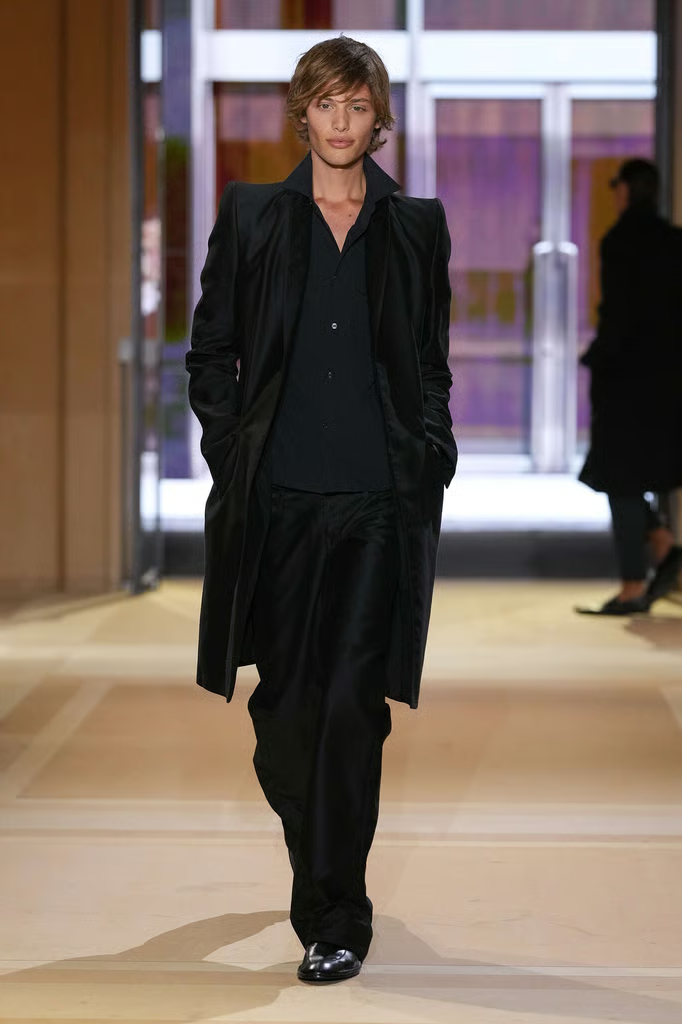
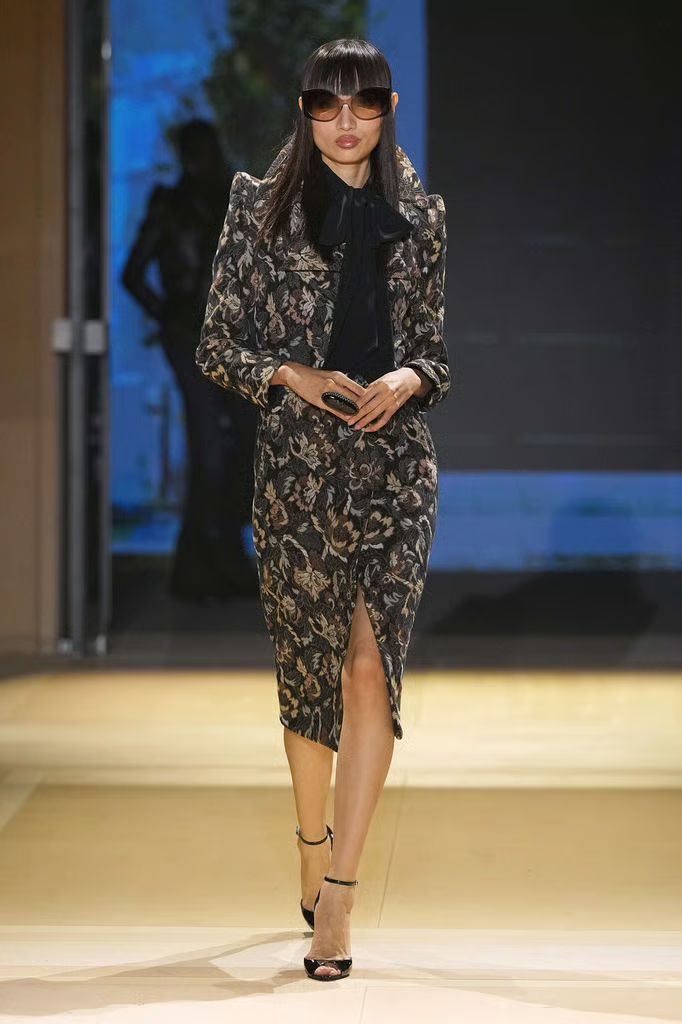
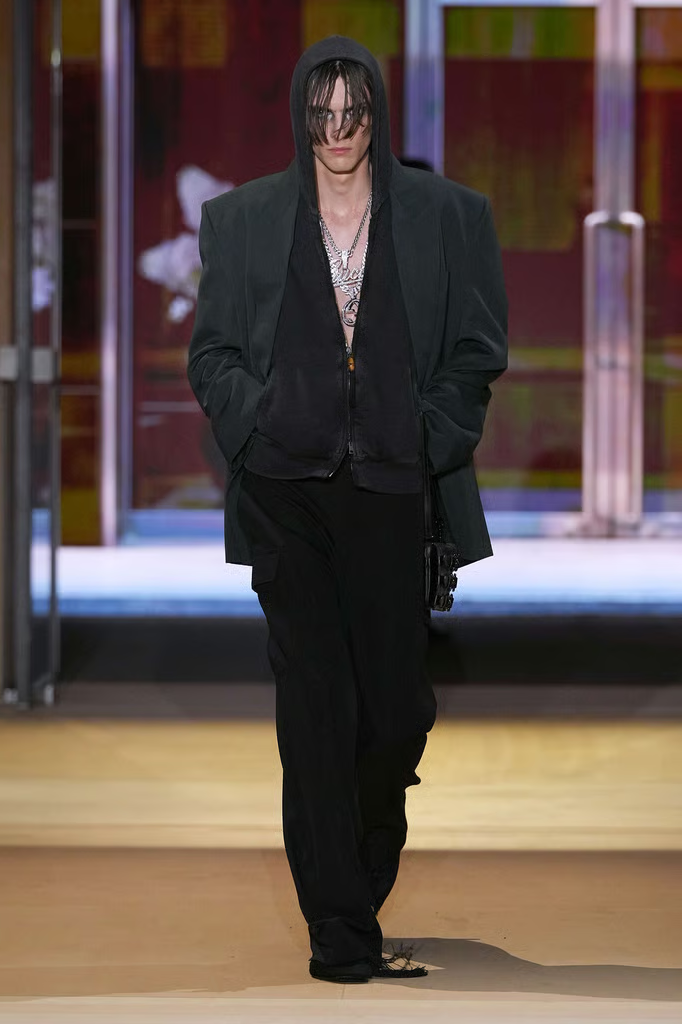
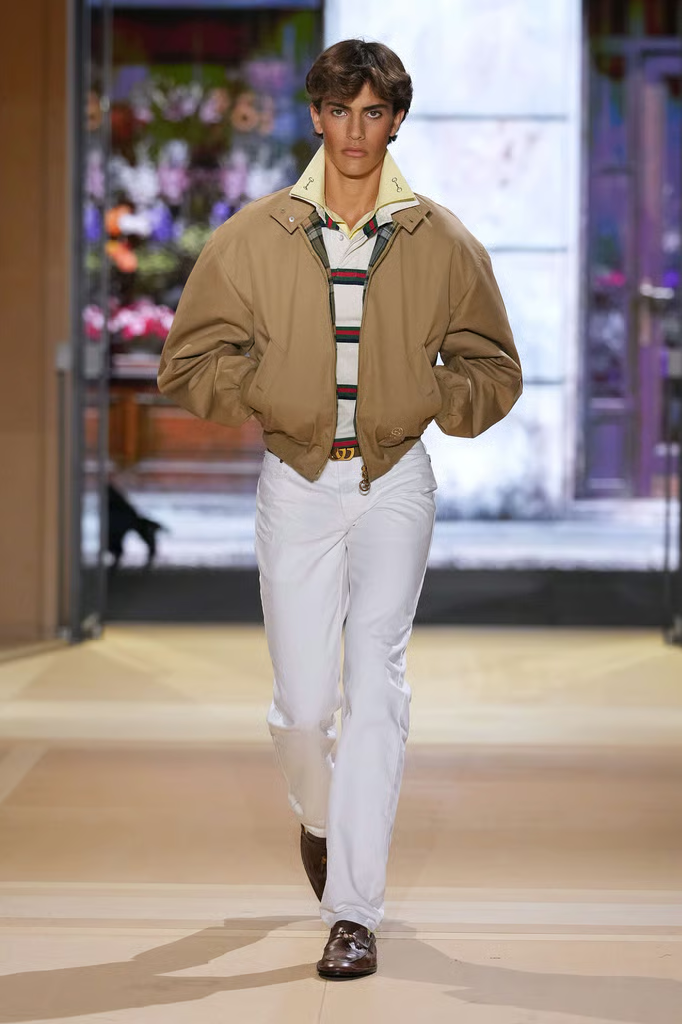
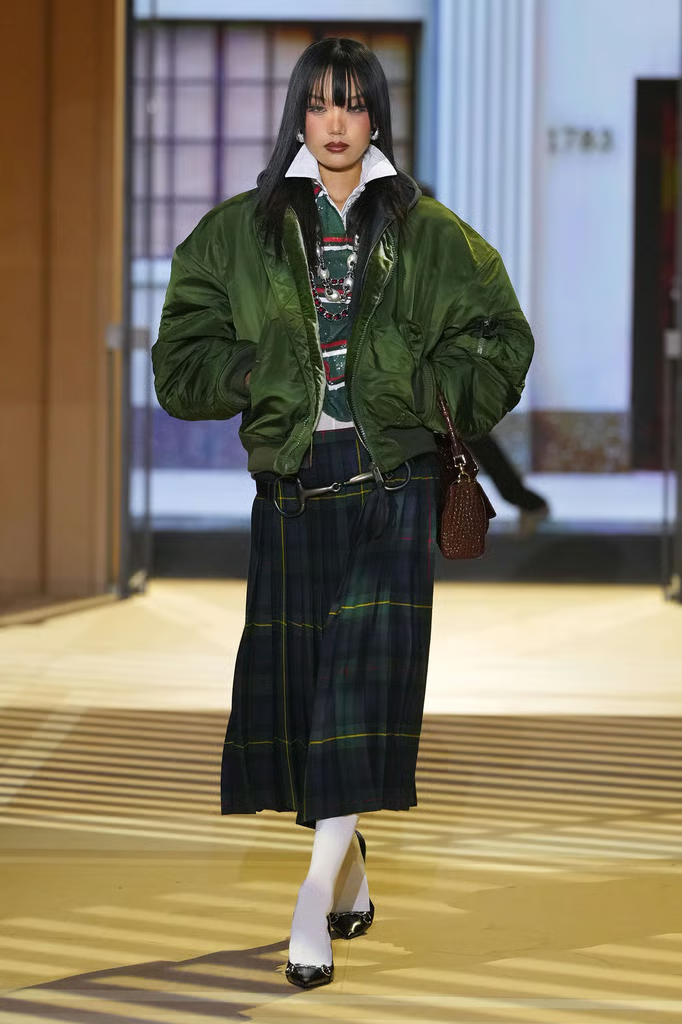
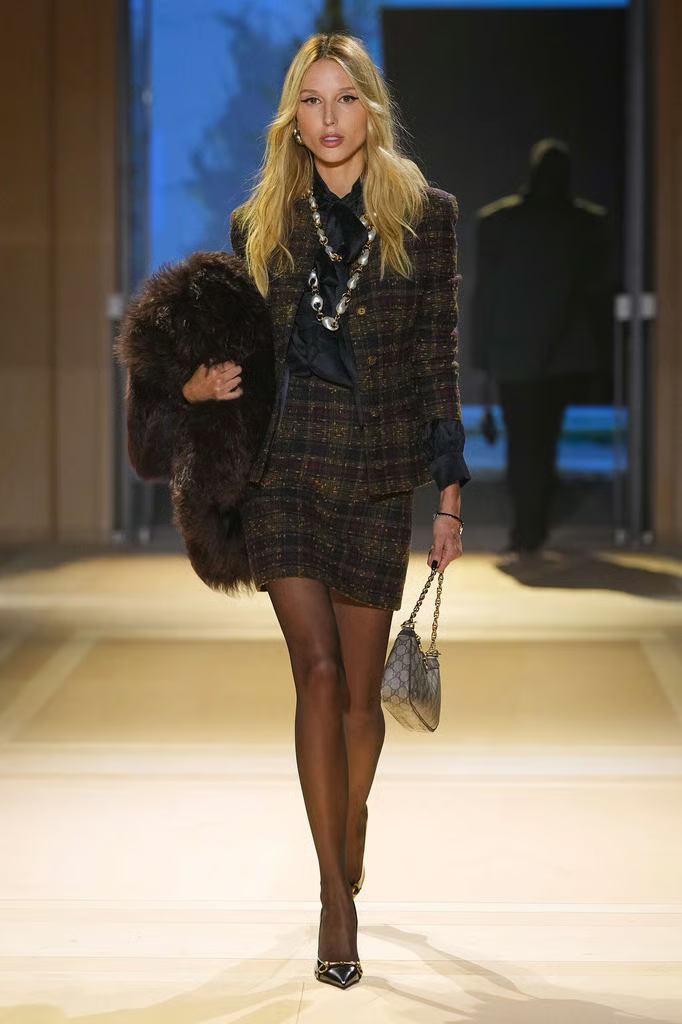
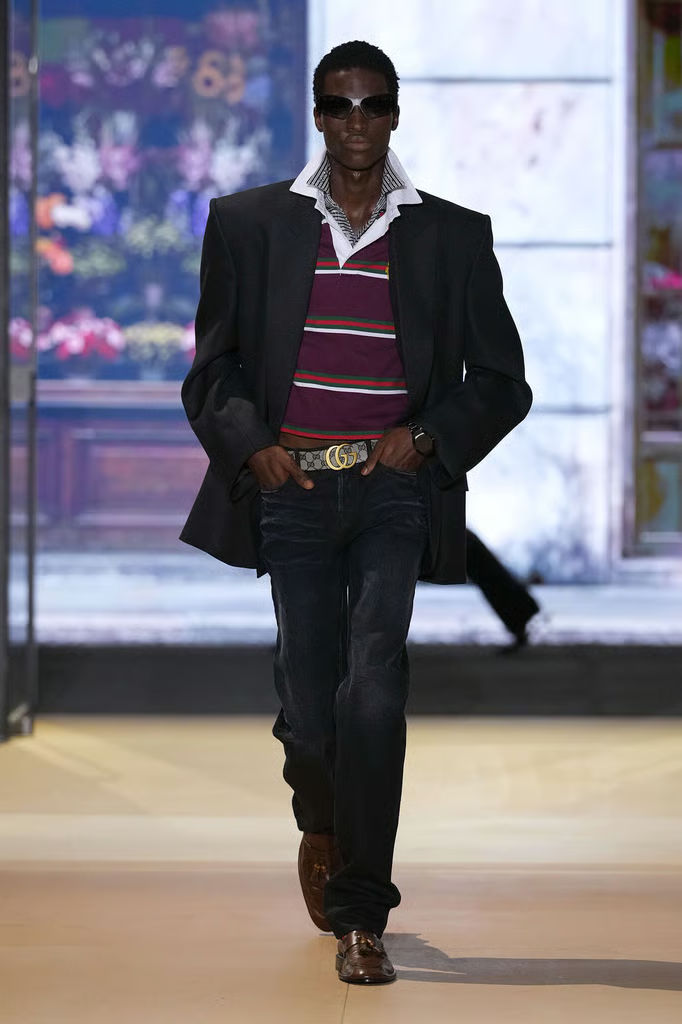
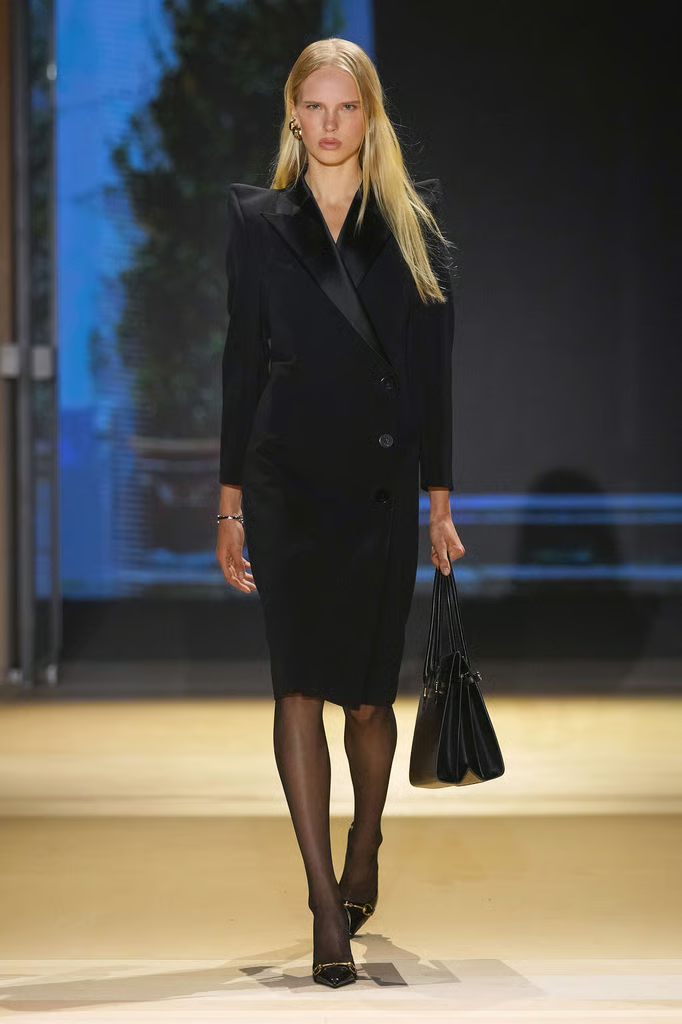
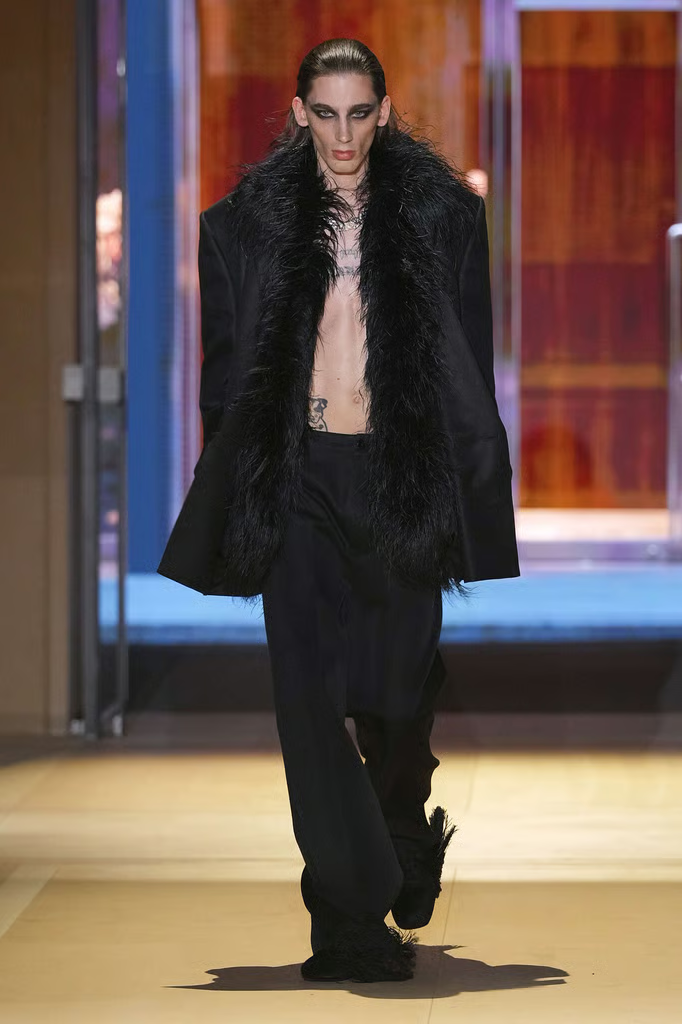
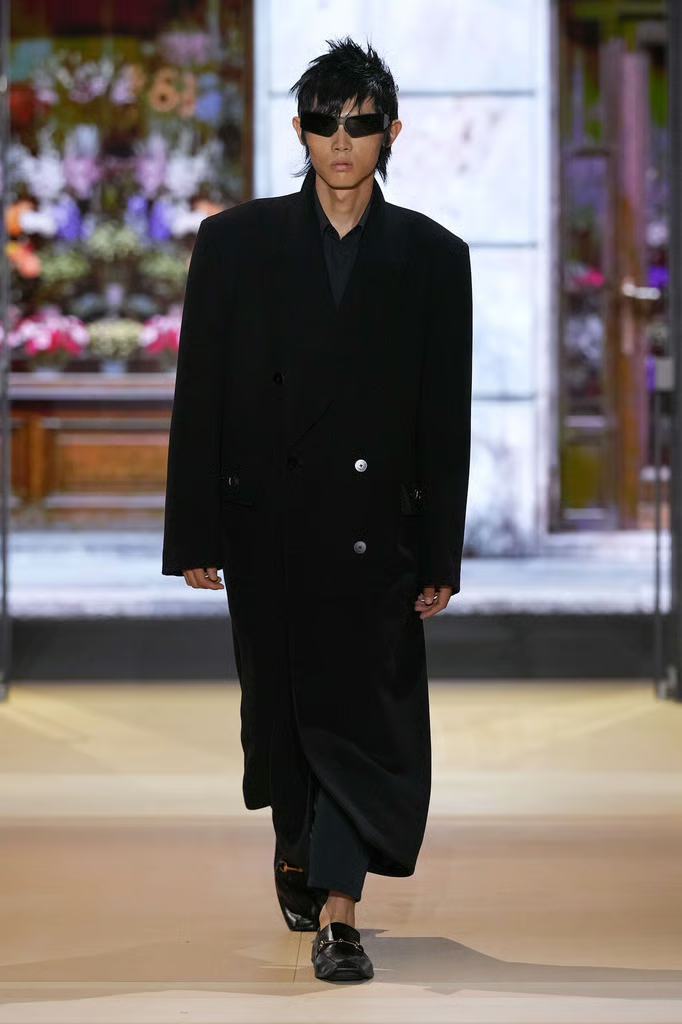
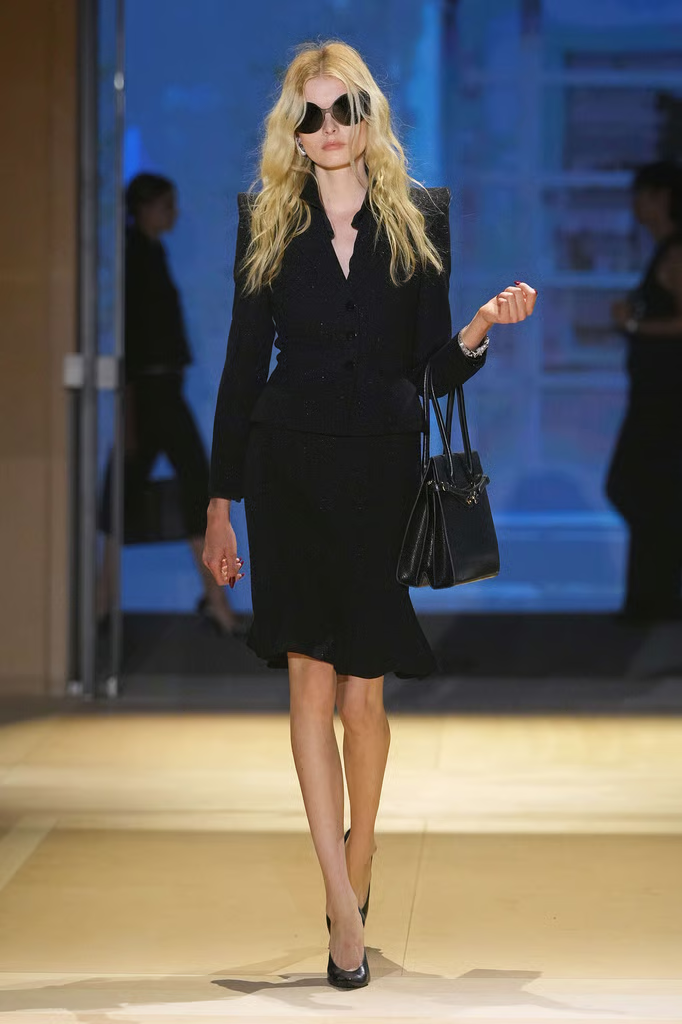
The business context matters here. Gucci has been Kering’s weak spot for several years, and this show was part of a turnaround. There are early signs it’s working. Second-quarter sales fell 3%, which was less than analysts expected, helped by strong US demand for the new handbags. Not every move has gone over well, though. This week Reuters reported that Gucci has started selling new luxury sneakers labelled “Made in China,” a break from its Italian manufacturing tradition that some industry watchers think could weaken the brand’s high-end image as it tries to win back middle-class shoppers. That makes the store setting feel intentional. Demna isn’t only designing clothes for Gucci. He’s designing the experience of buying them, at a time when getting people back into the stores matters more than anything.
Featured Images: ©Launchmetrics/spotlight